Clown.e.s
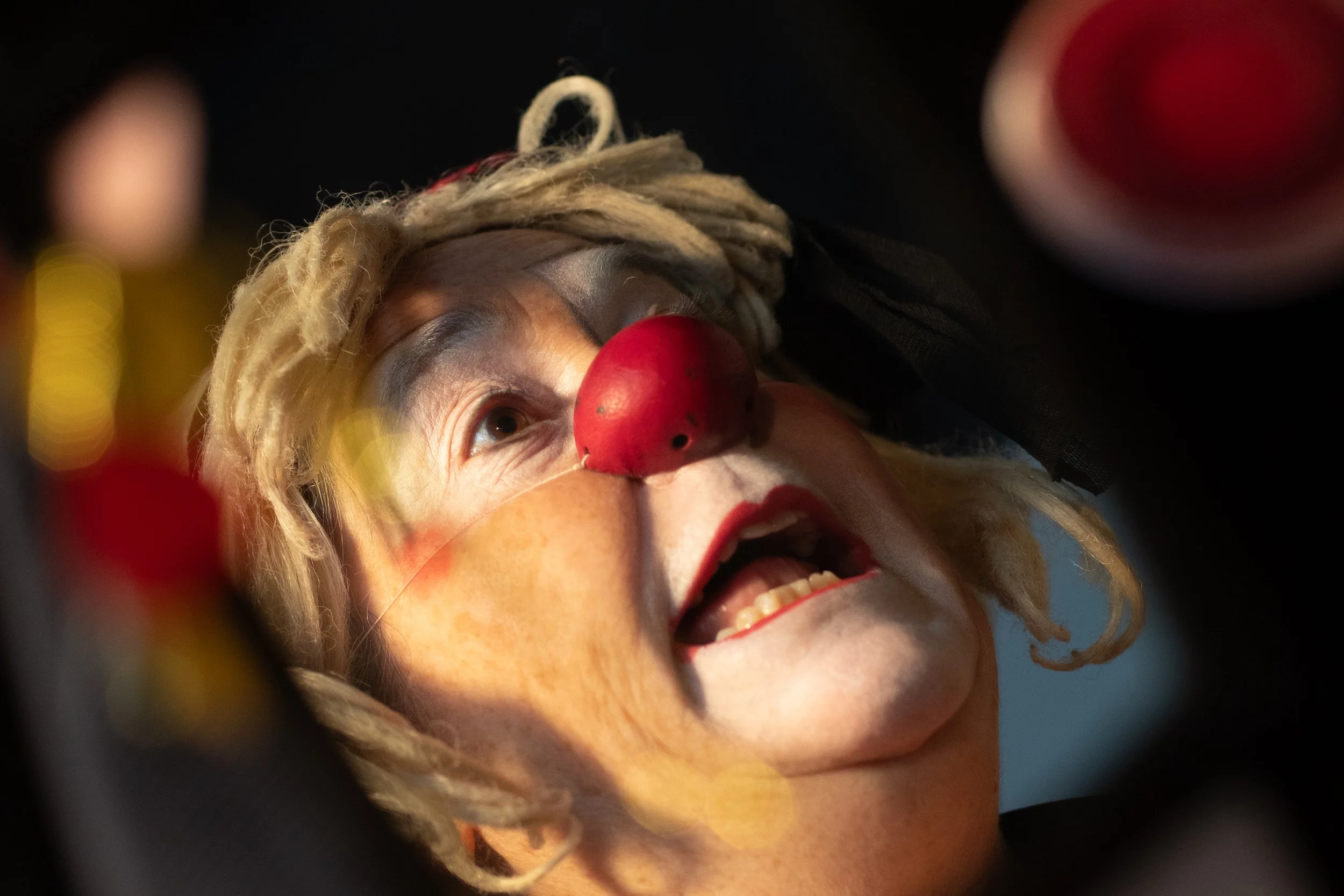
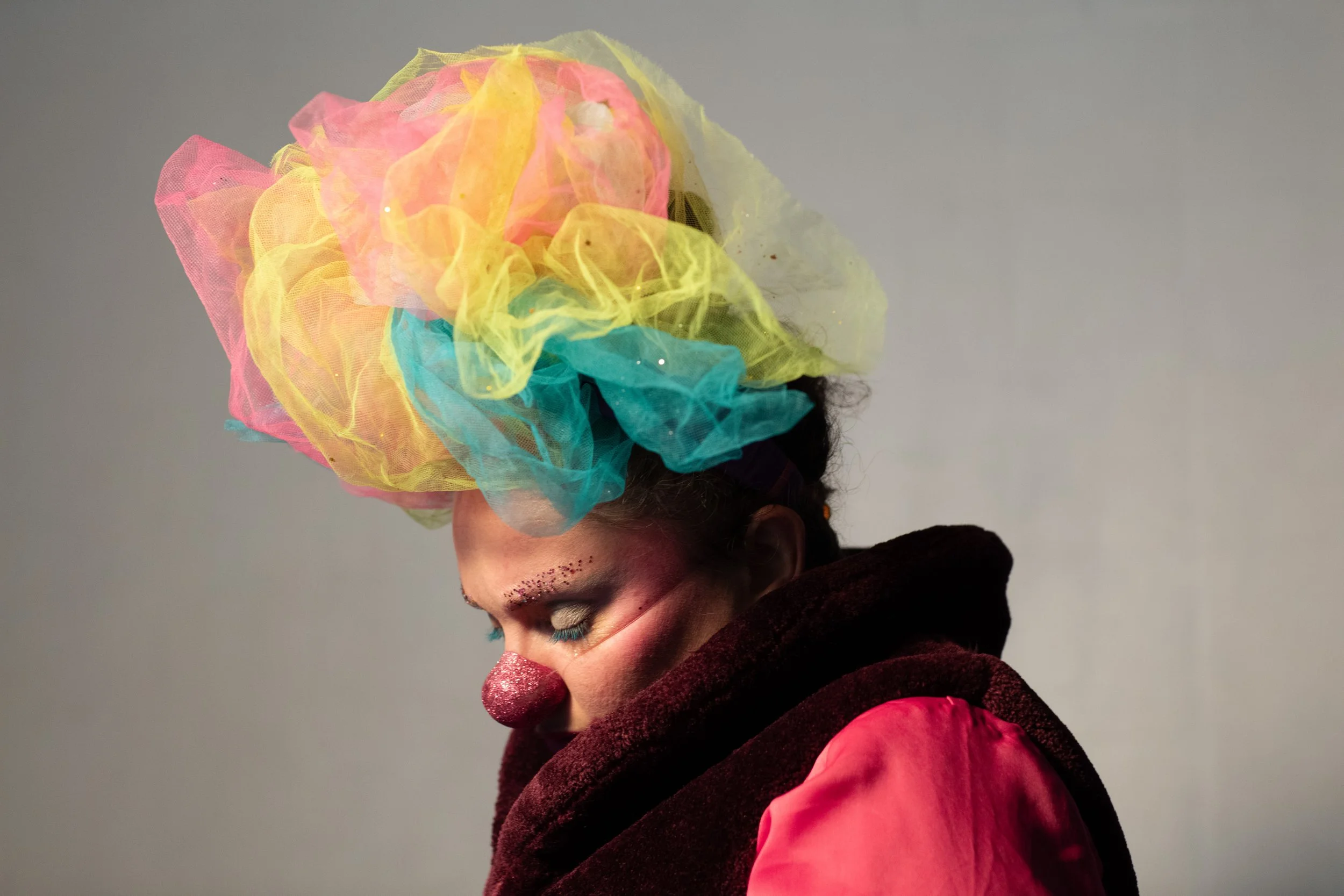
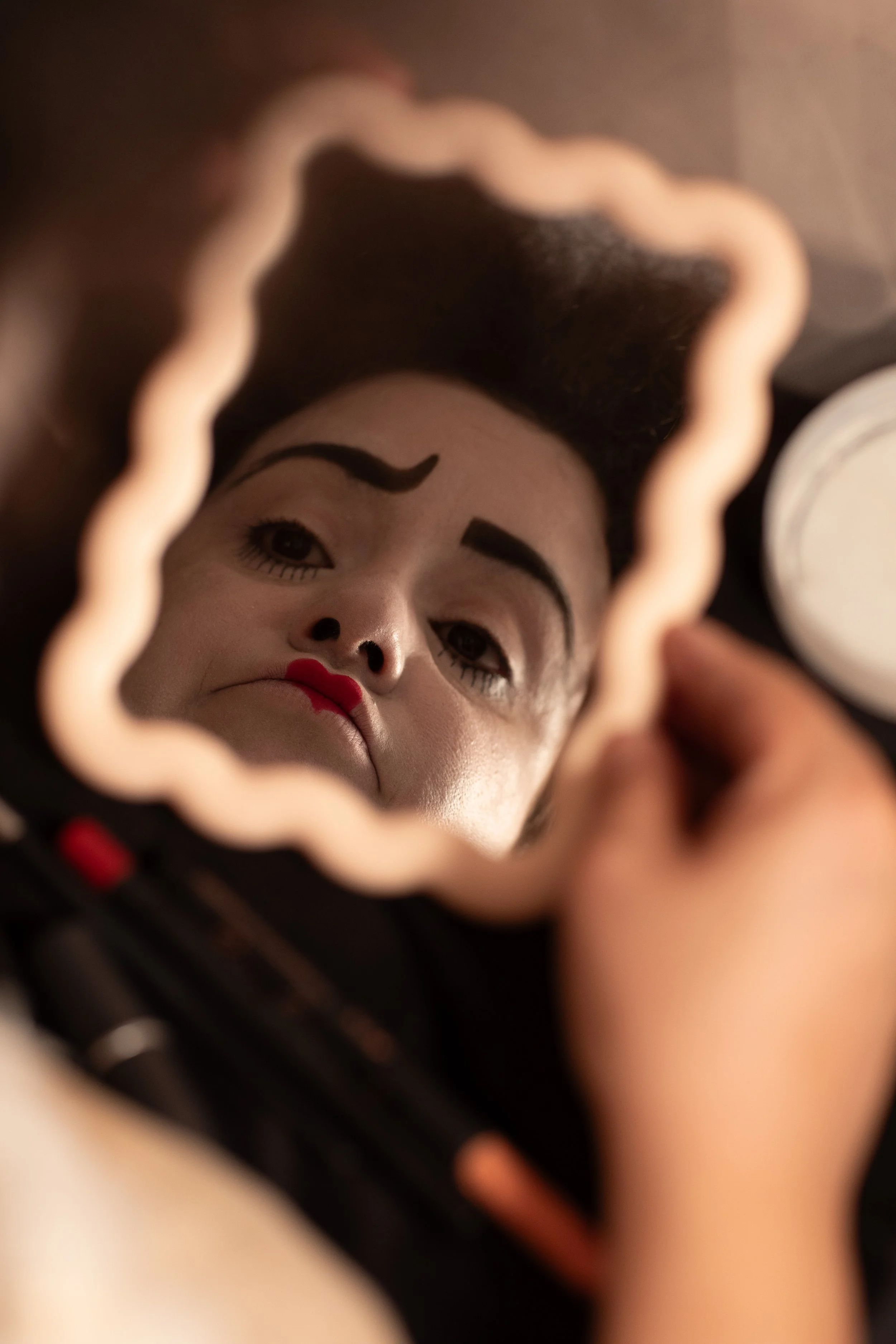
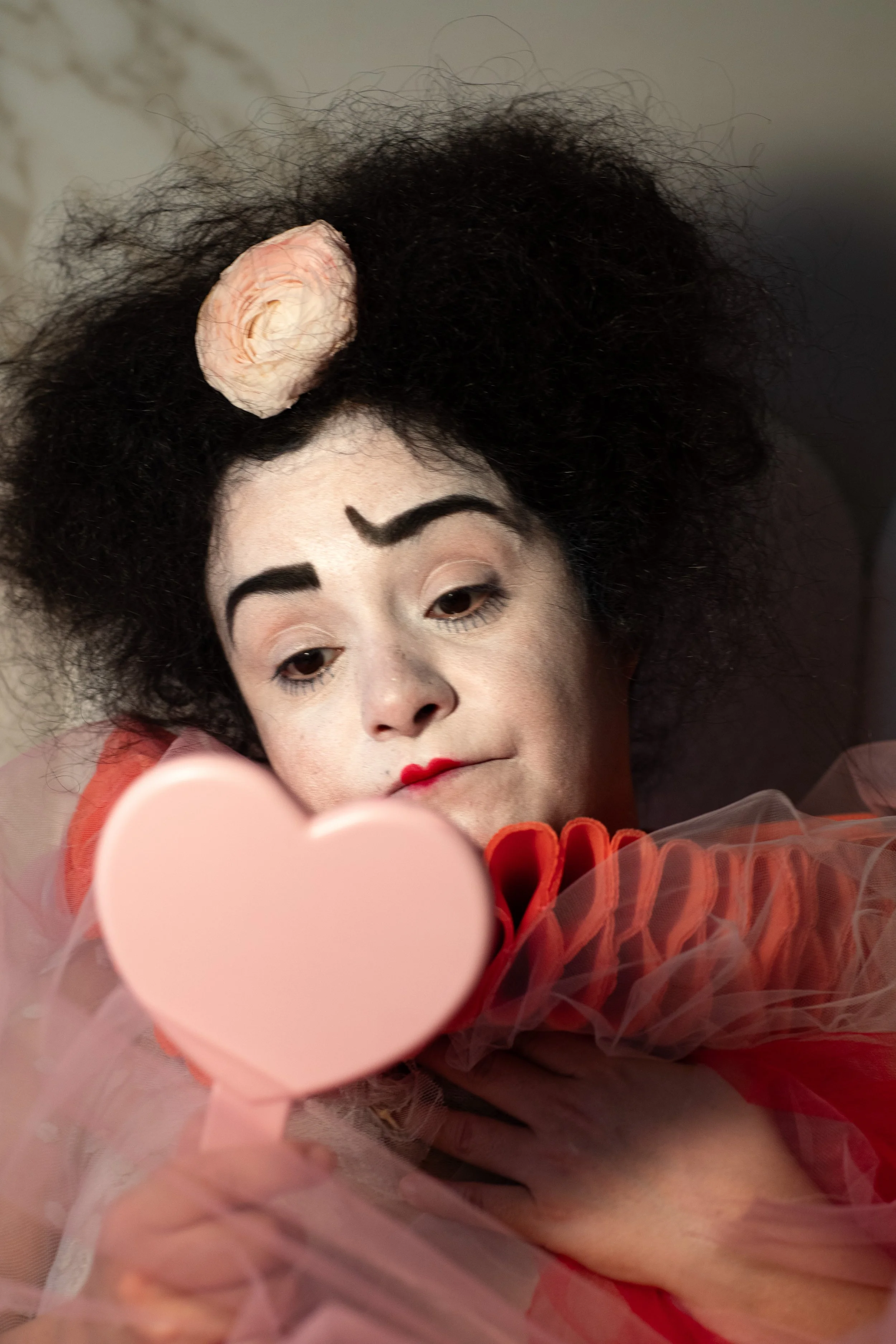
In French, the word clown is traditionally masculine. Some women have informally added an “e” — clown.e — to assert their presence in a field historically dominated by men. The spelling remains unofficial, slightly incorrect, but an act of identity. That small punctuation mark reflects the spirit of the series.
The clown is a familiar figure — but most often a male one. Female clowns exist, and have for a long time, yet we rarely hold a clear image of who they are. When I began meeting women clowns, I realised how little I knew about them — beyond the red nose.
This series grew from that curiosity.
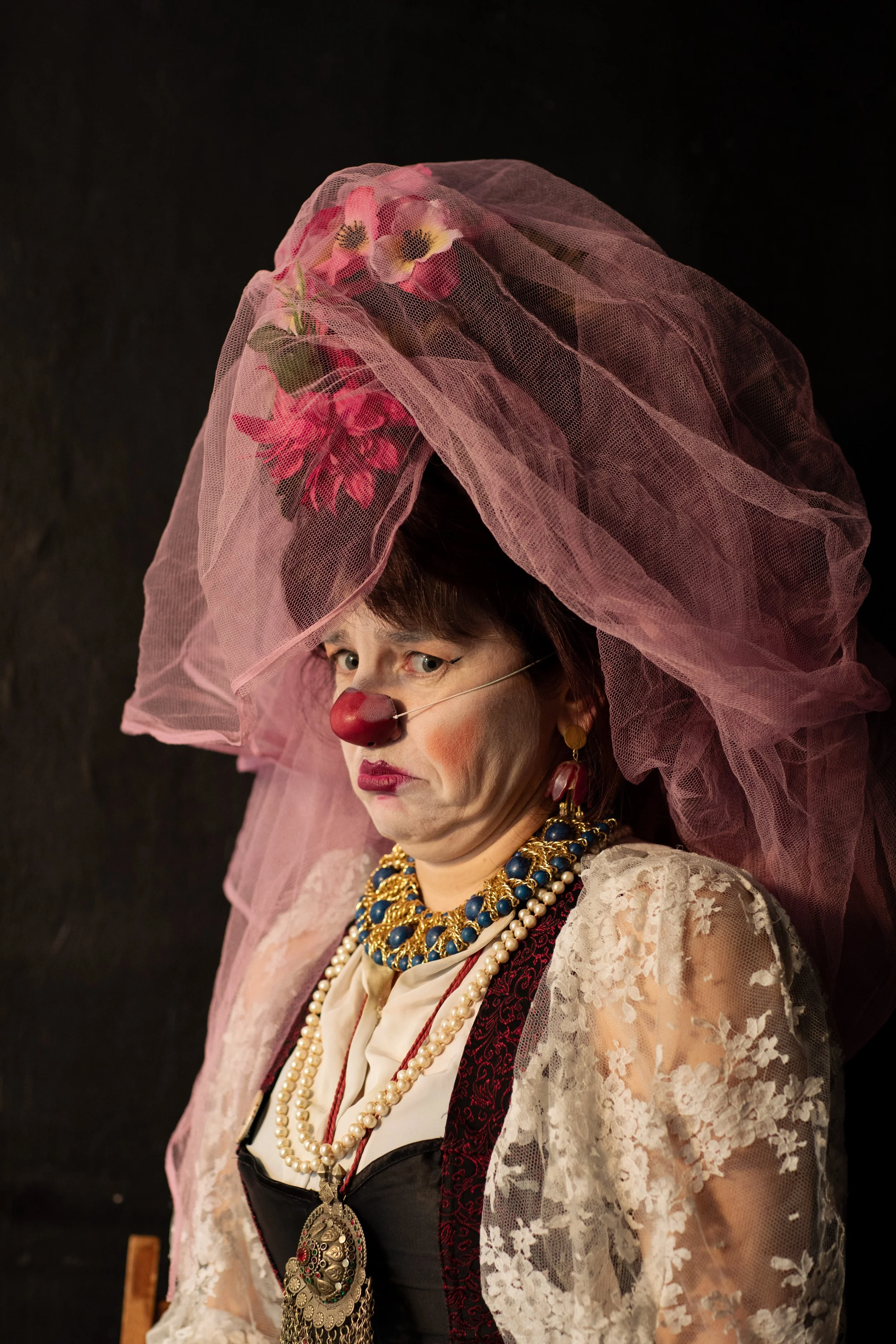
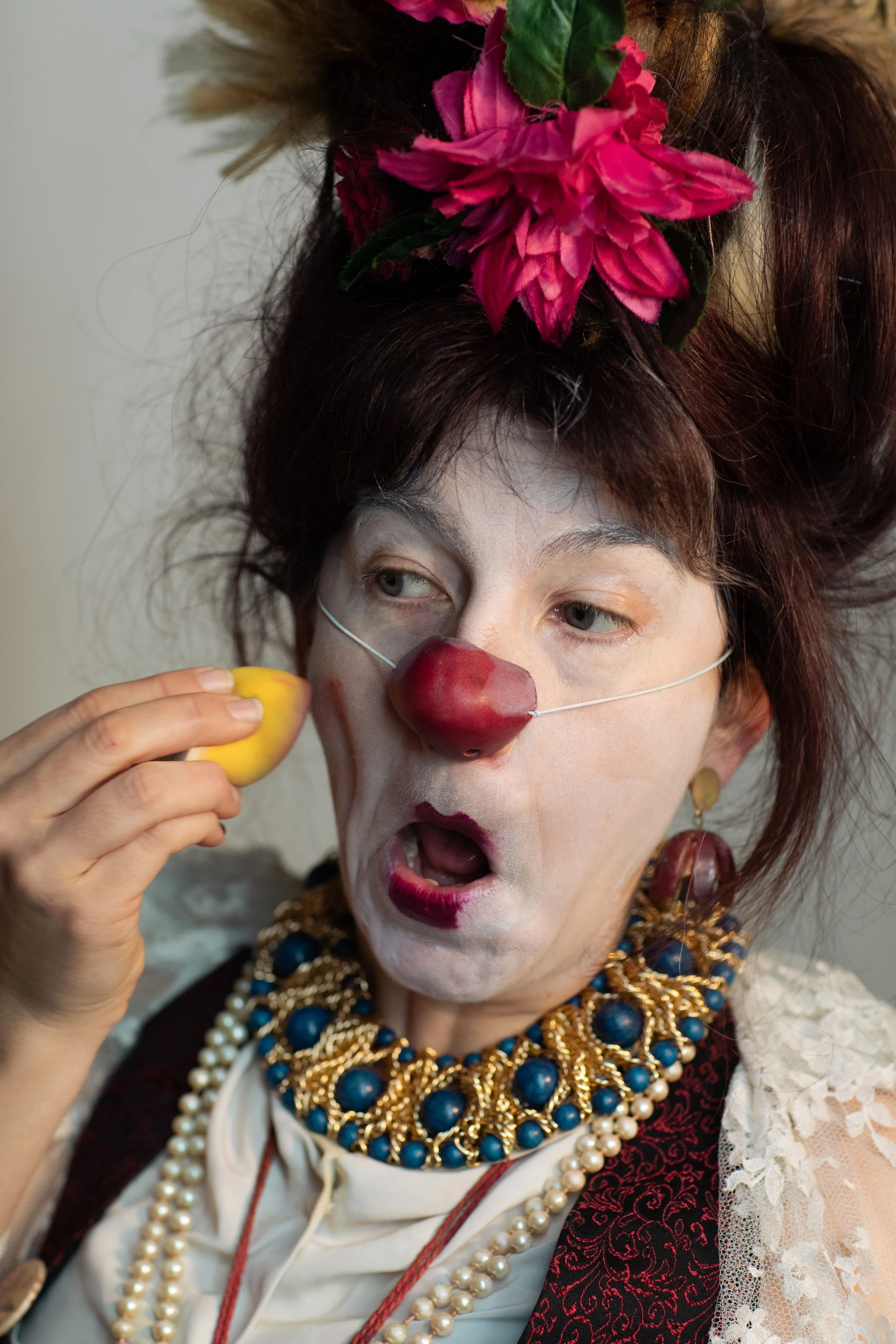
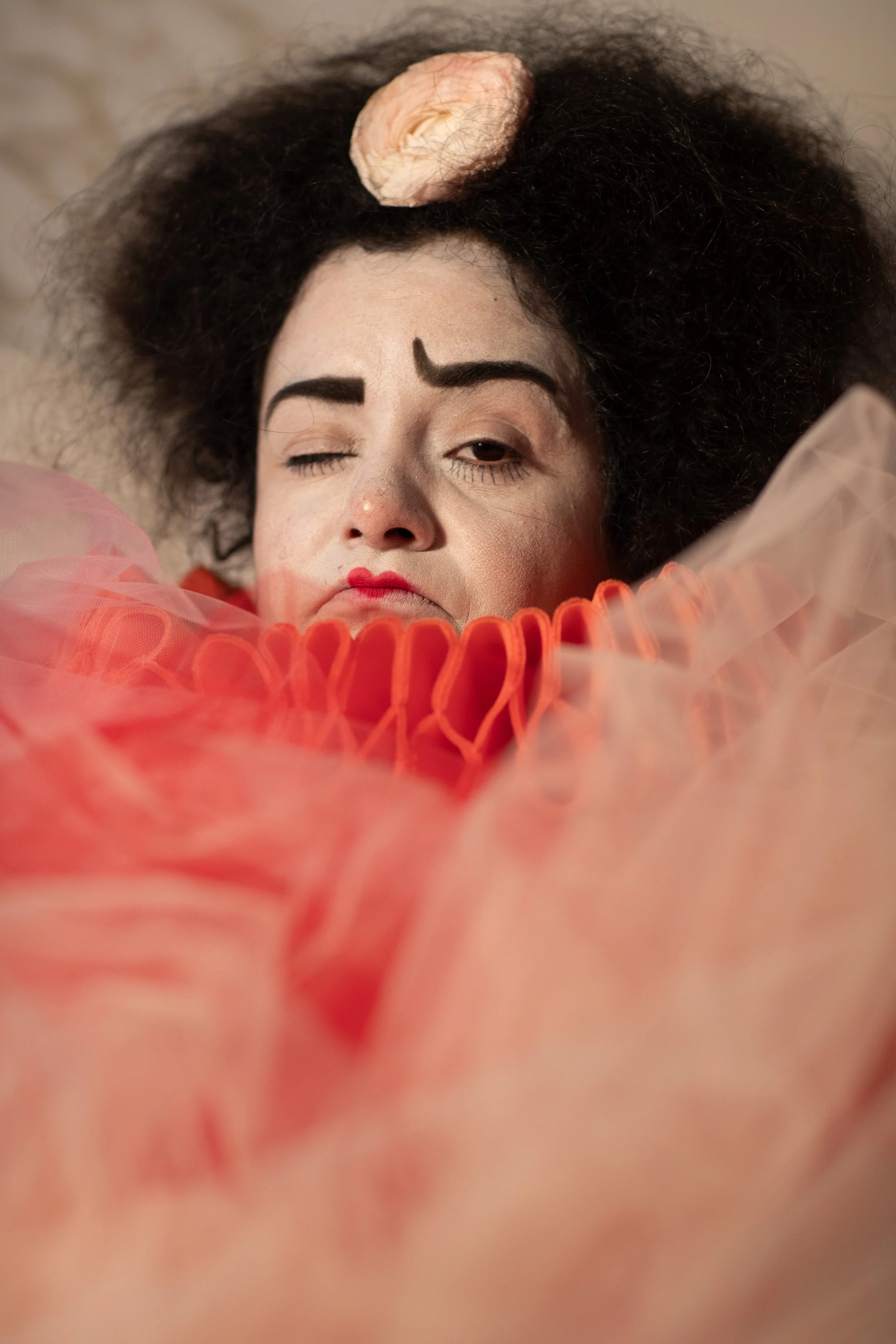
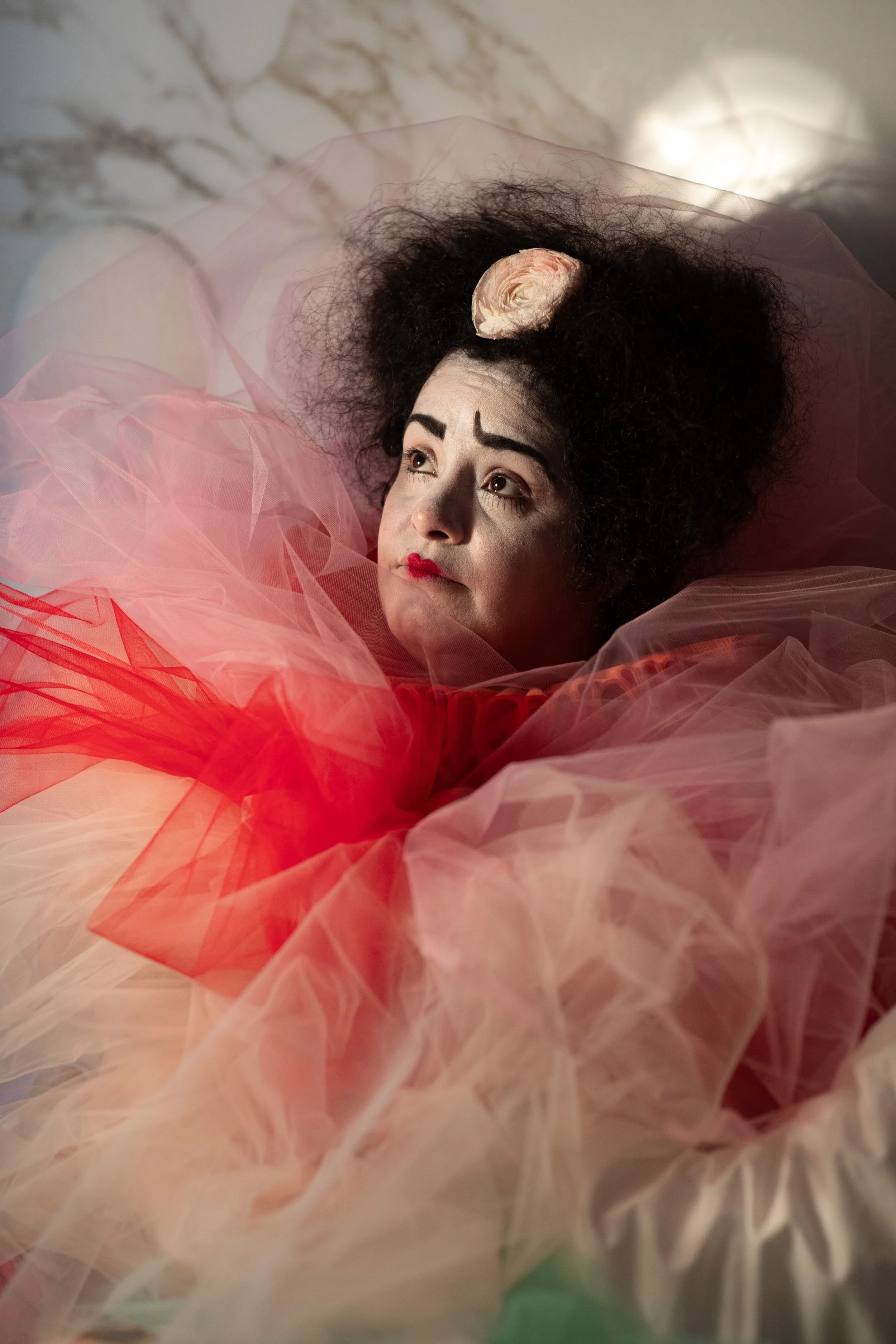
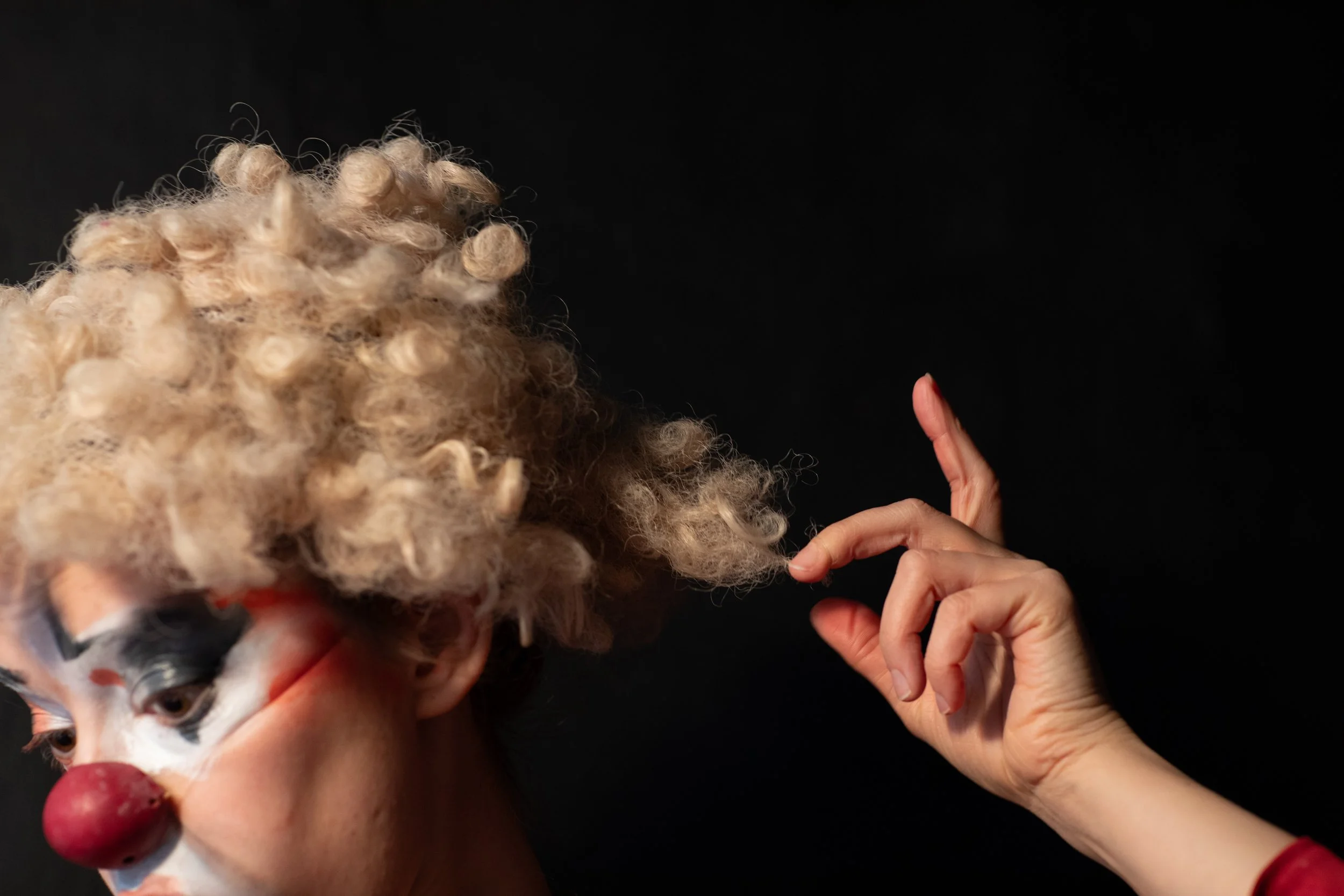
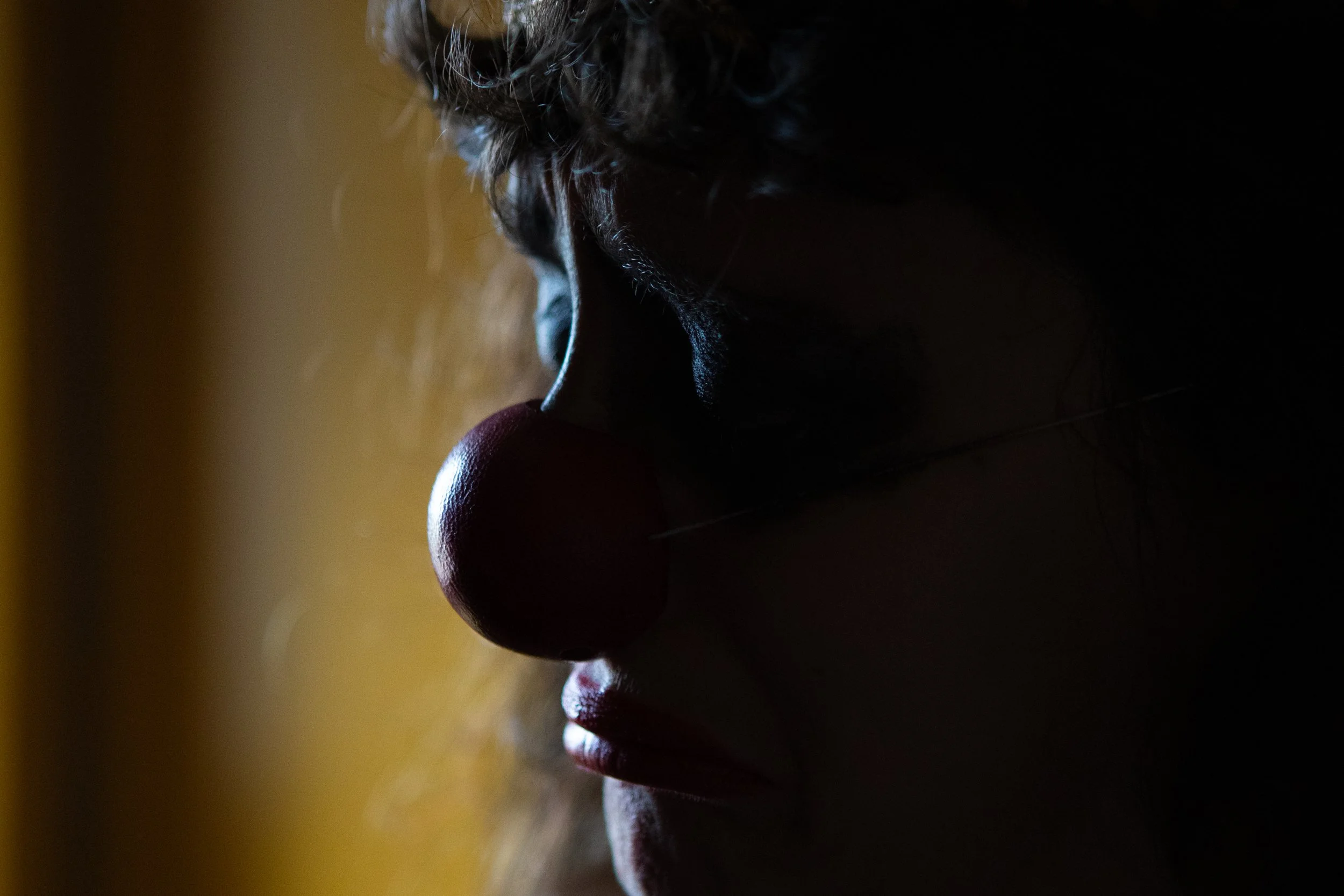
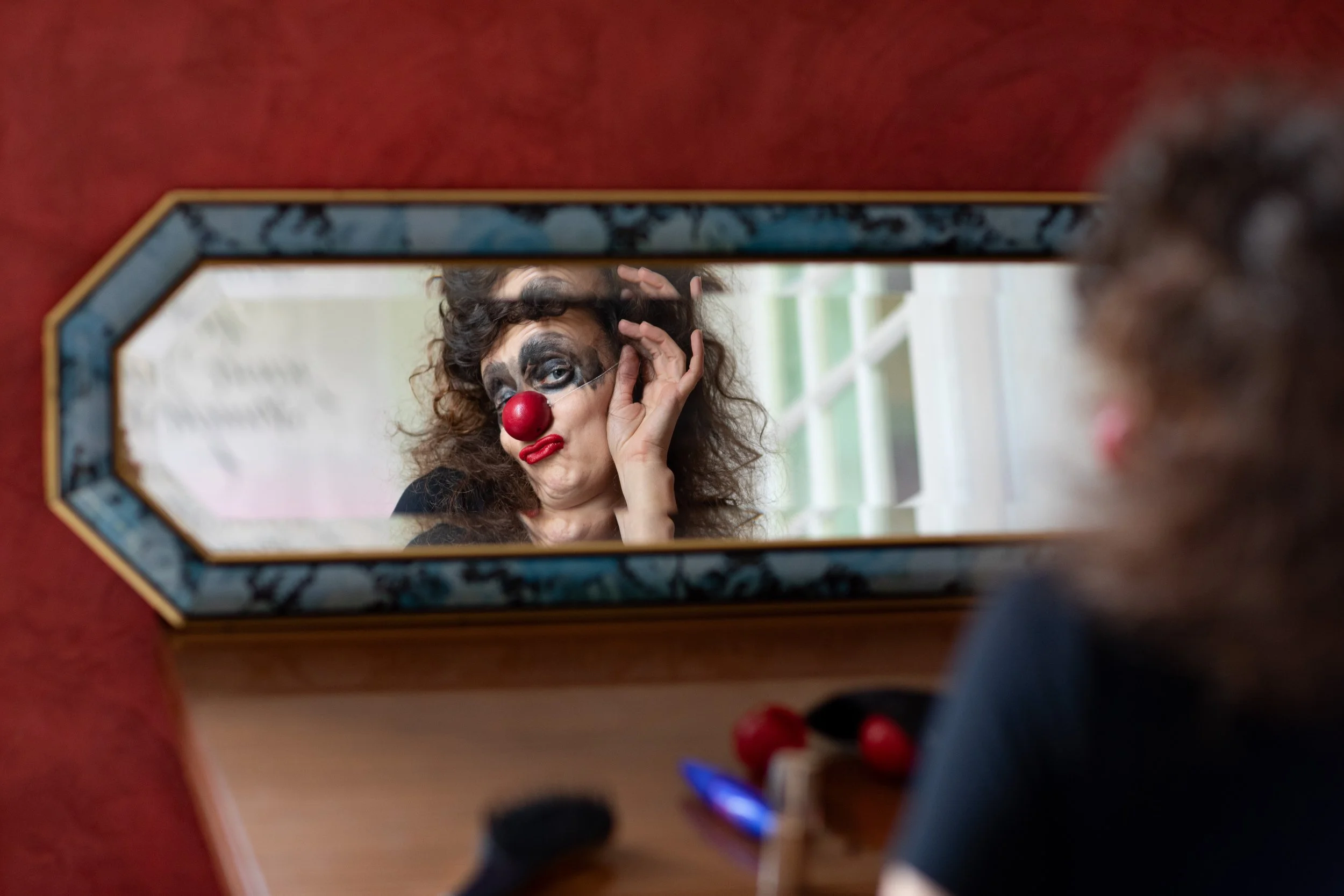
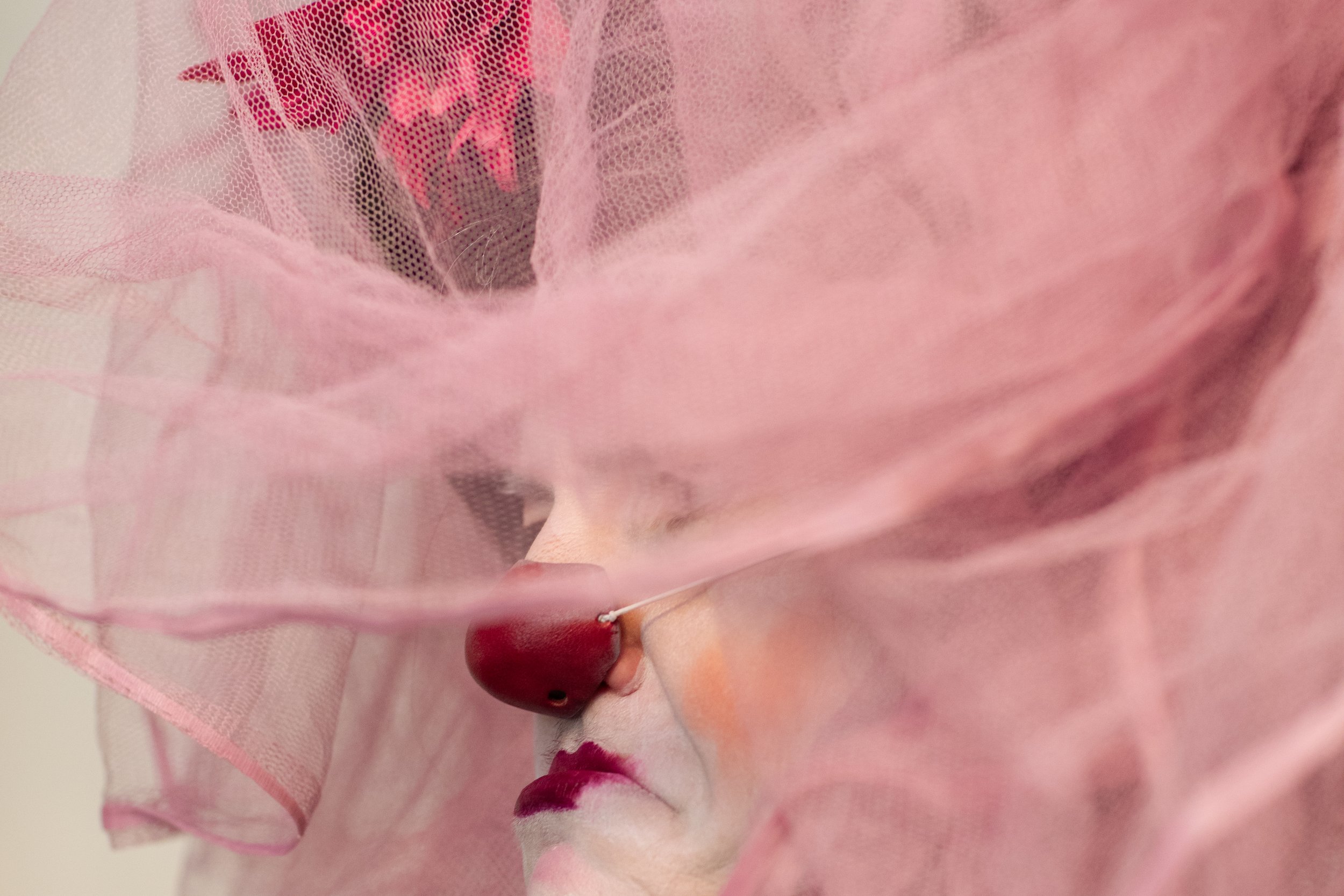
I photographed them in moments of becoming rather than full performance: during preparation, in stillness, in emotional shifts. What interested me was the space between exaggeration and intimacy — where artifice allows something deeply personal to surface.
Clowns play with ridicule. They exaggerate failure, ego, shame, pride. They are absurd — deliberately so. In these portraits, I wanted that absurdity to remain, but to sit alongside dignity and presence. The images borrow the quiet structure of classical portraiture — not to remove humour, but to hold it steady. To let a clown be sovereign and funny at the same time.
Each woman inhabits her clown differently. Some are watchful, some wounded, some imperious, some tender. Together, they expand the image of who gets to be excessive, comic, confrontational or strange.
CLOWN.E.S is both a correction in grammar and in gaze.
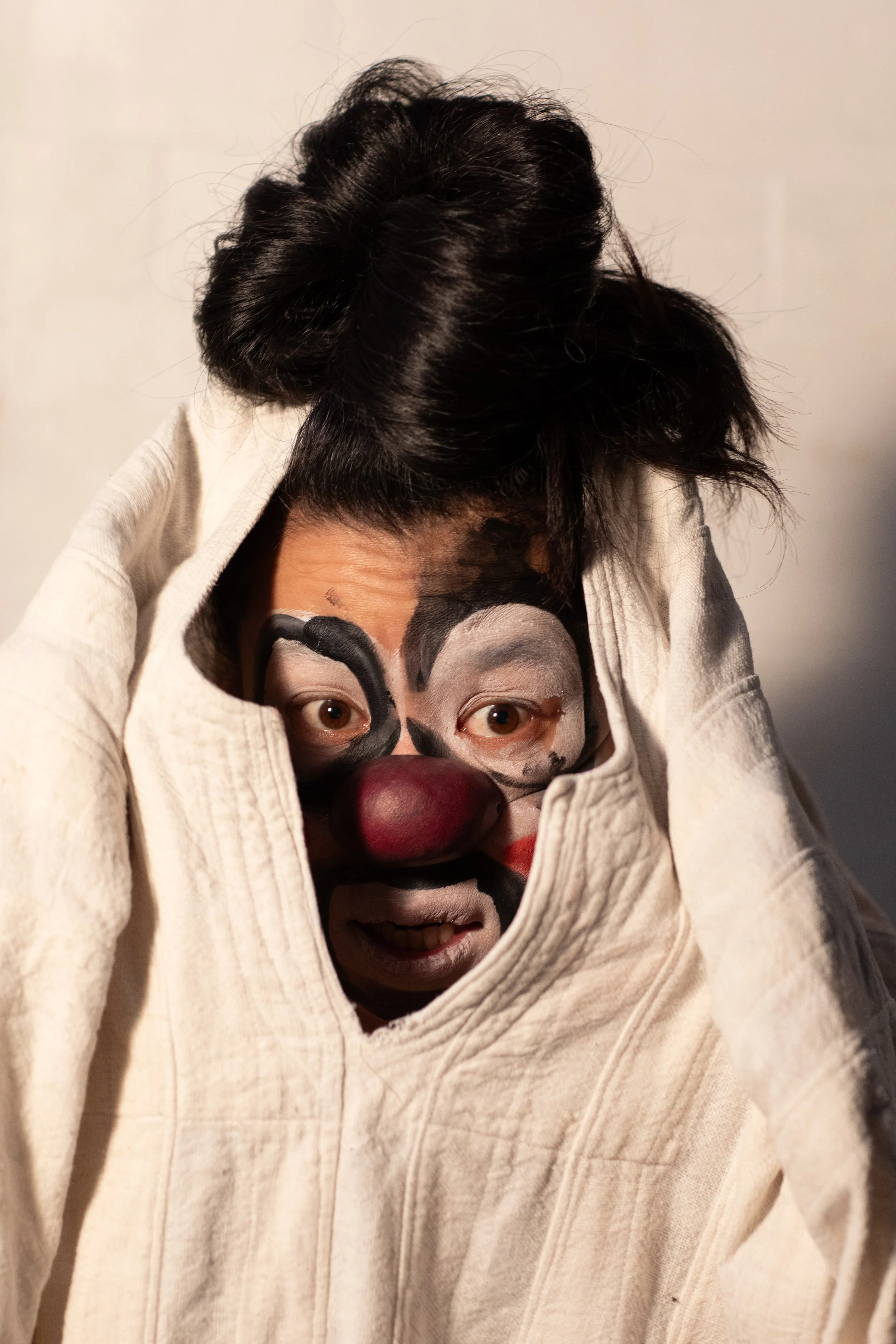
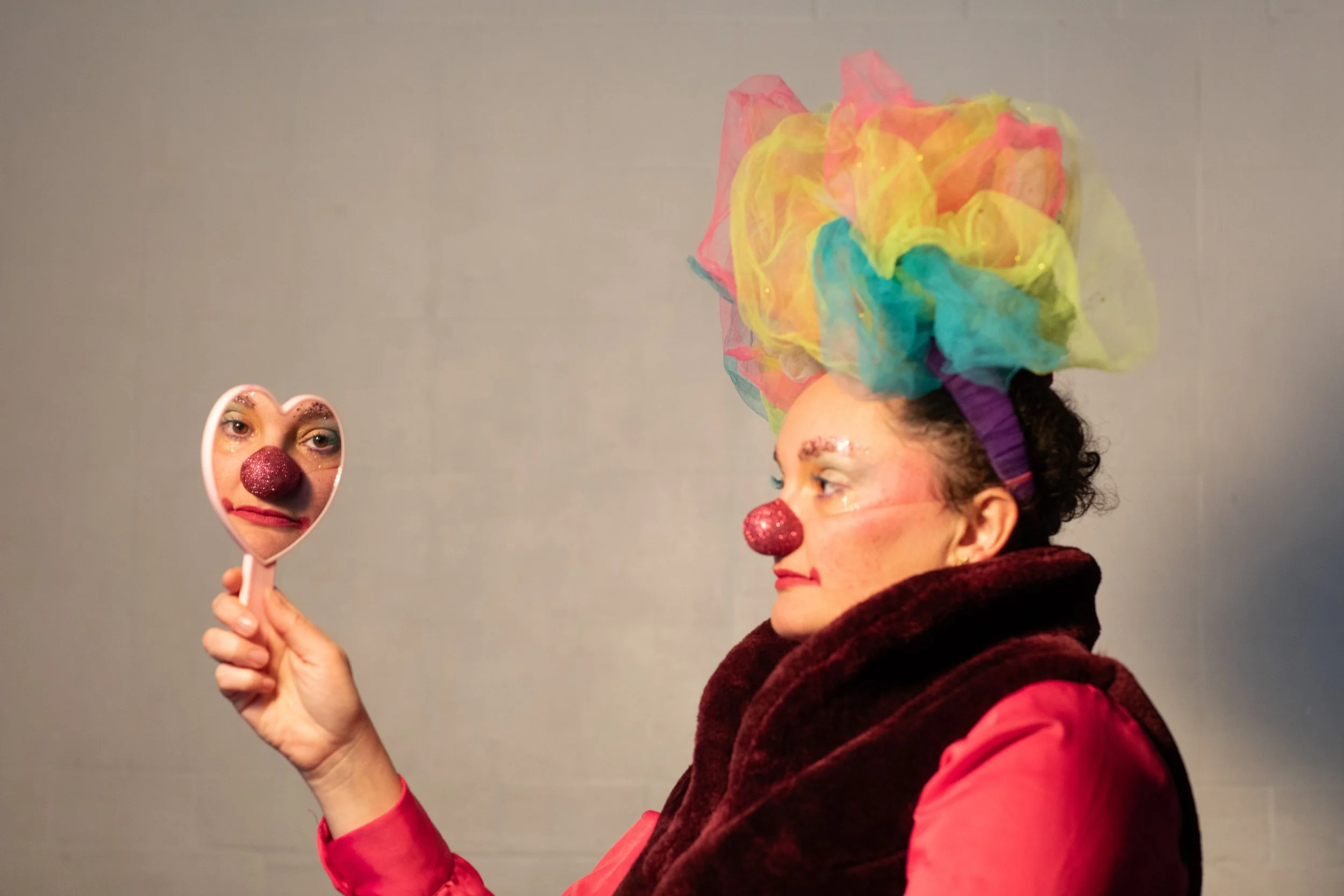
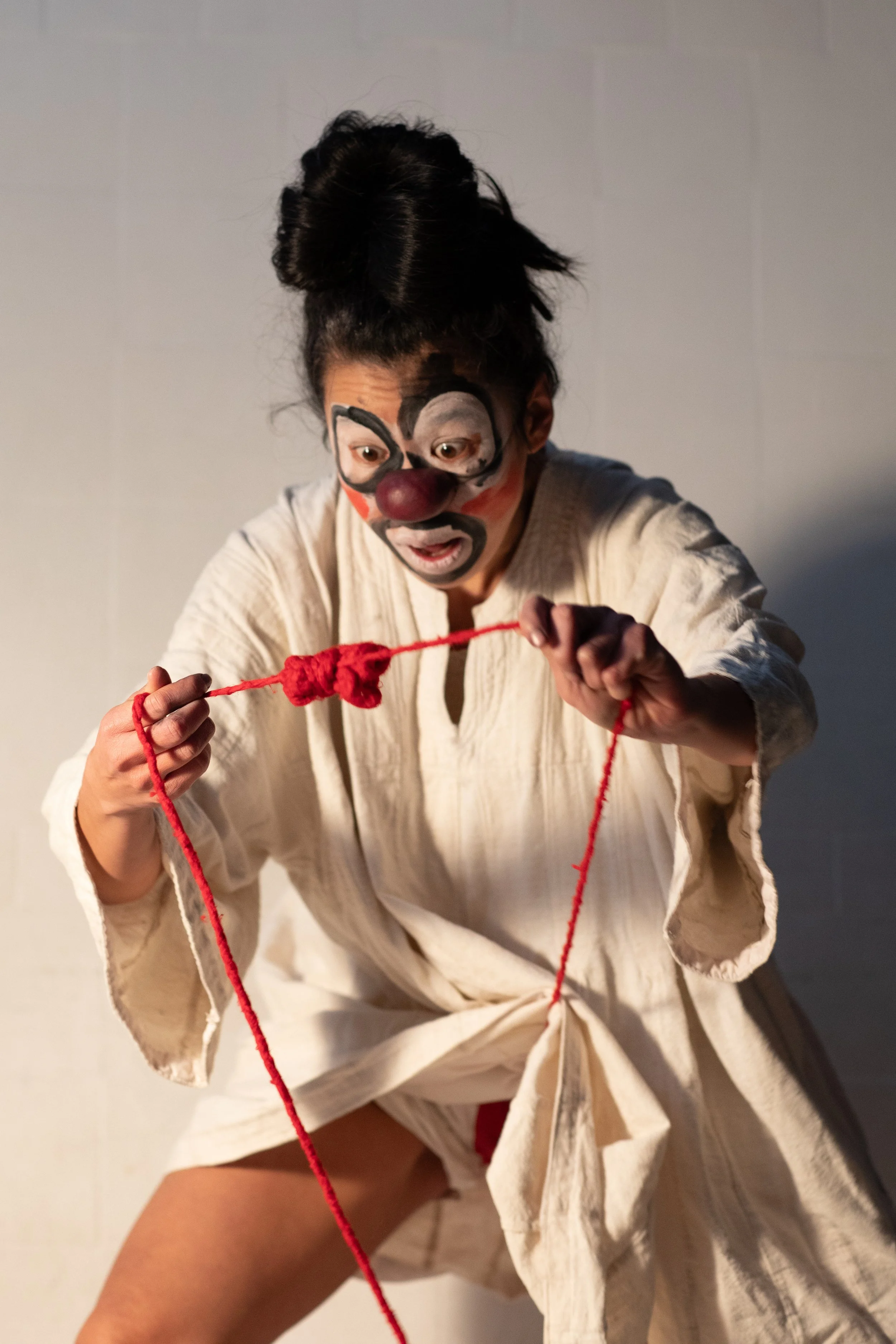
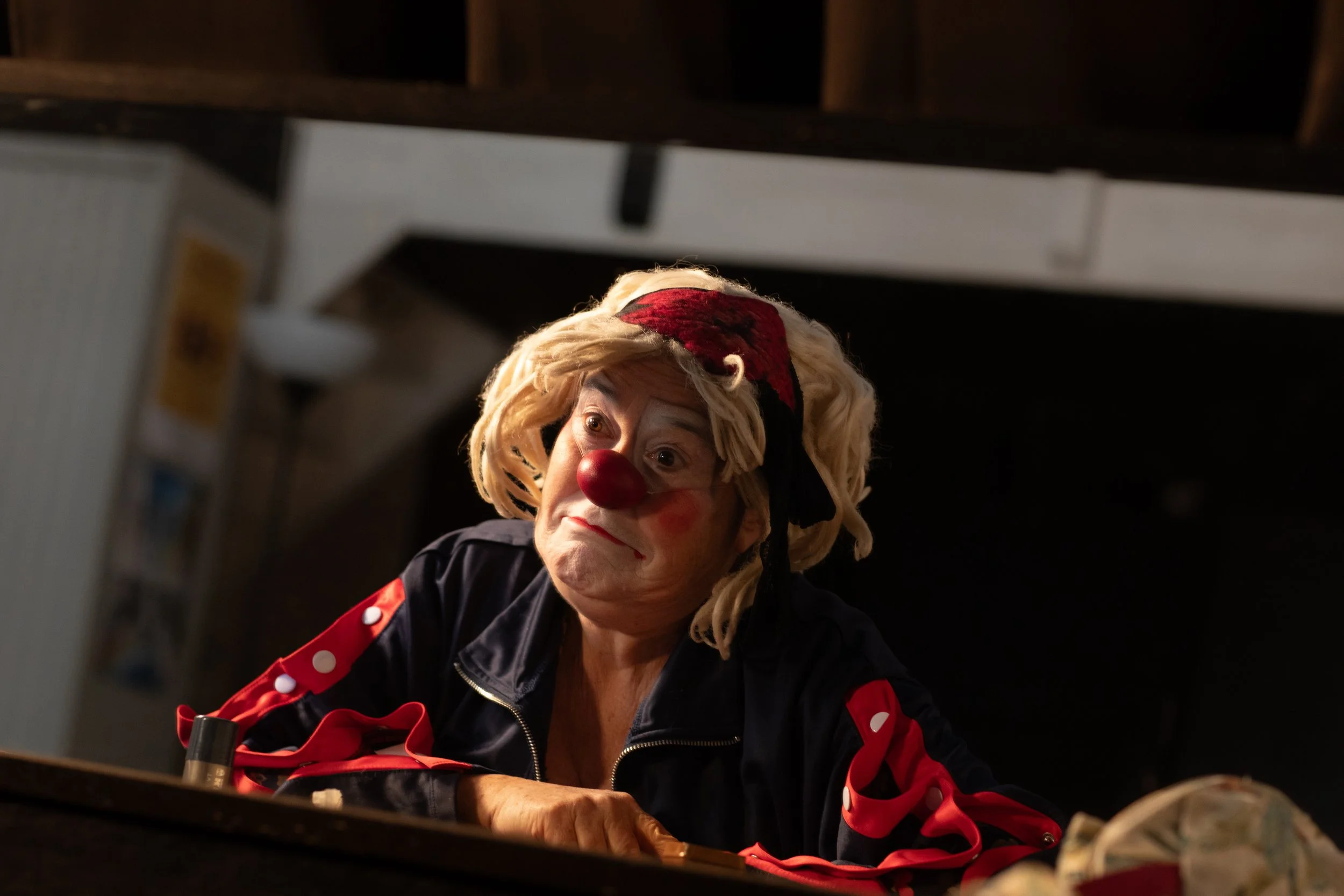
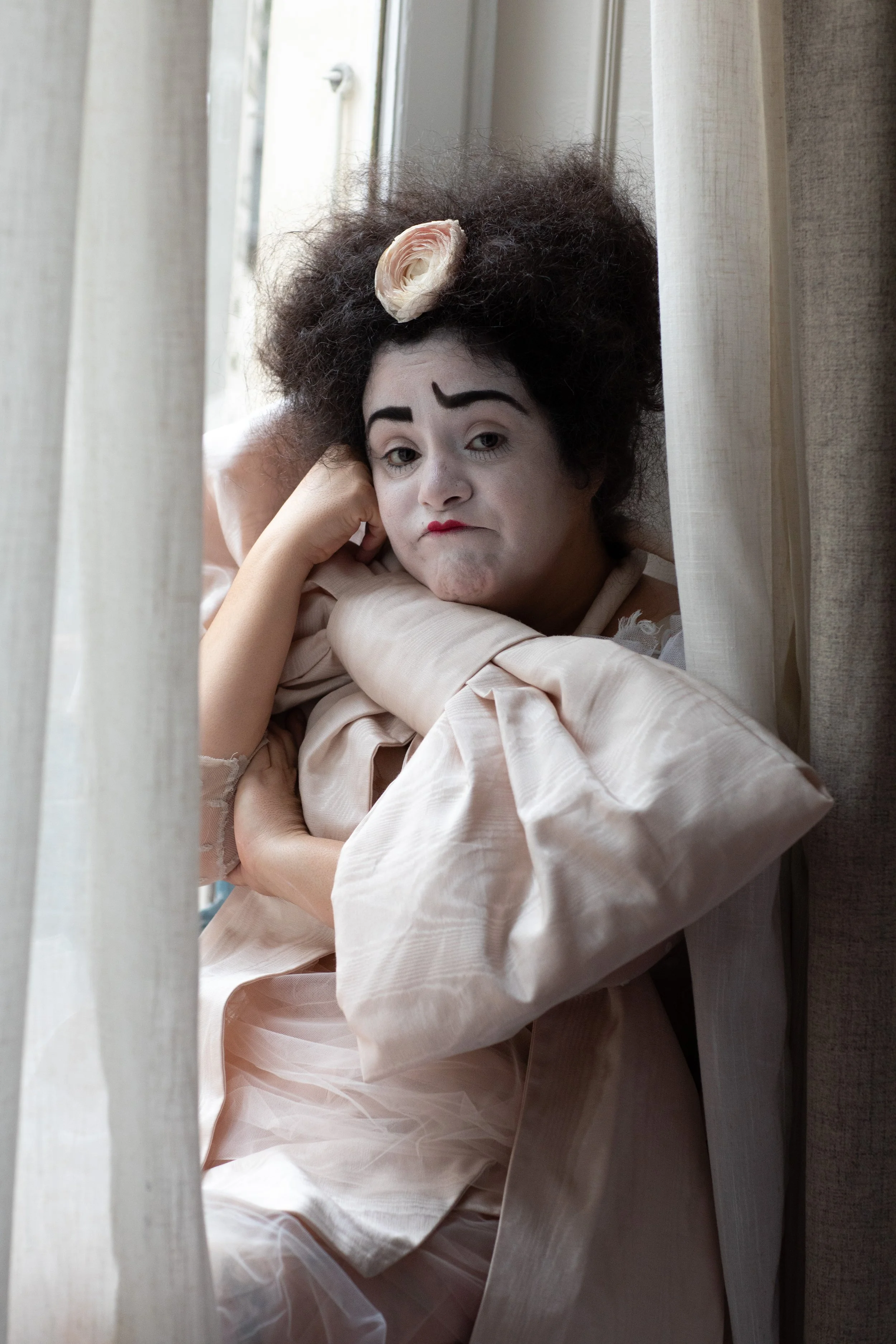
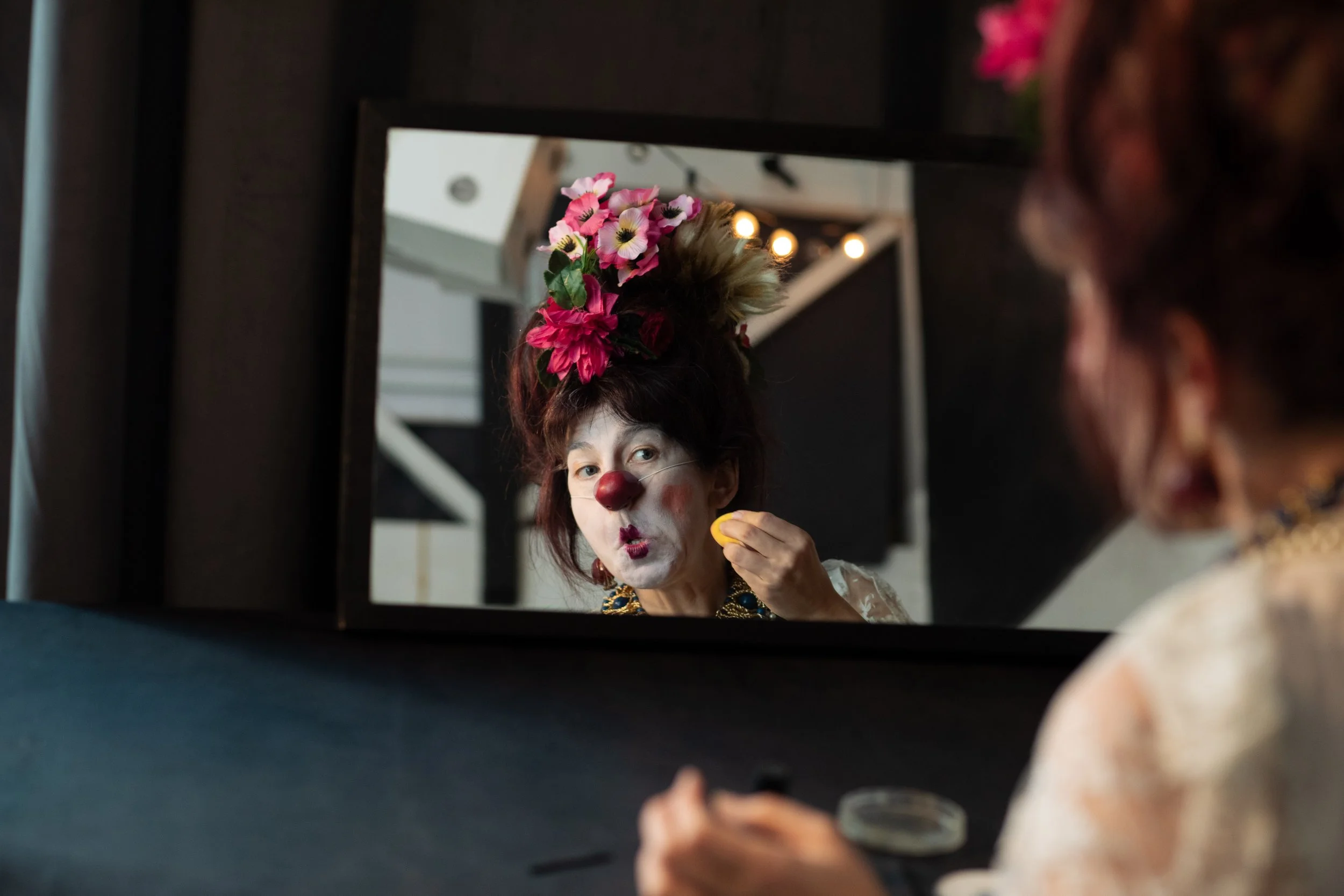
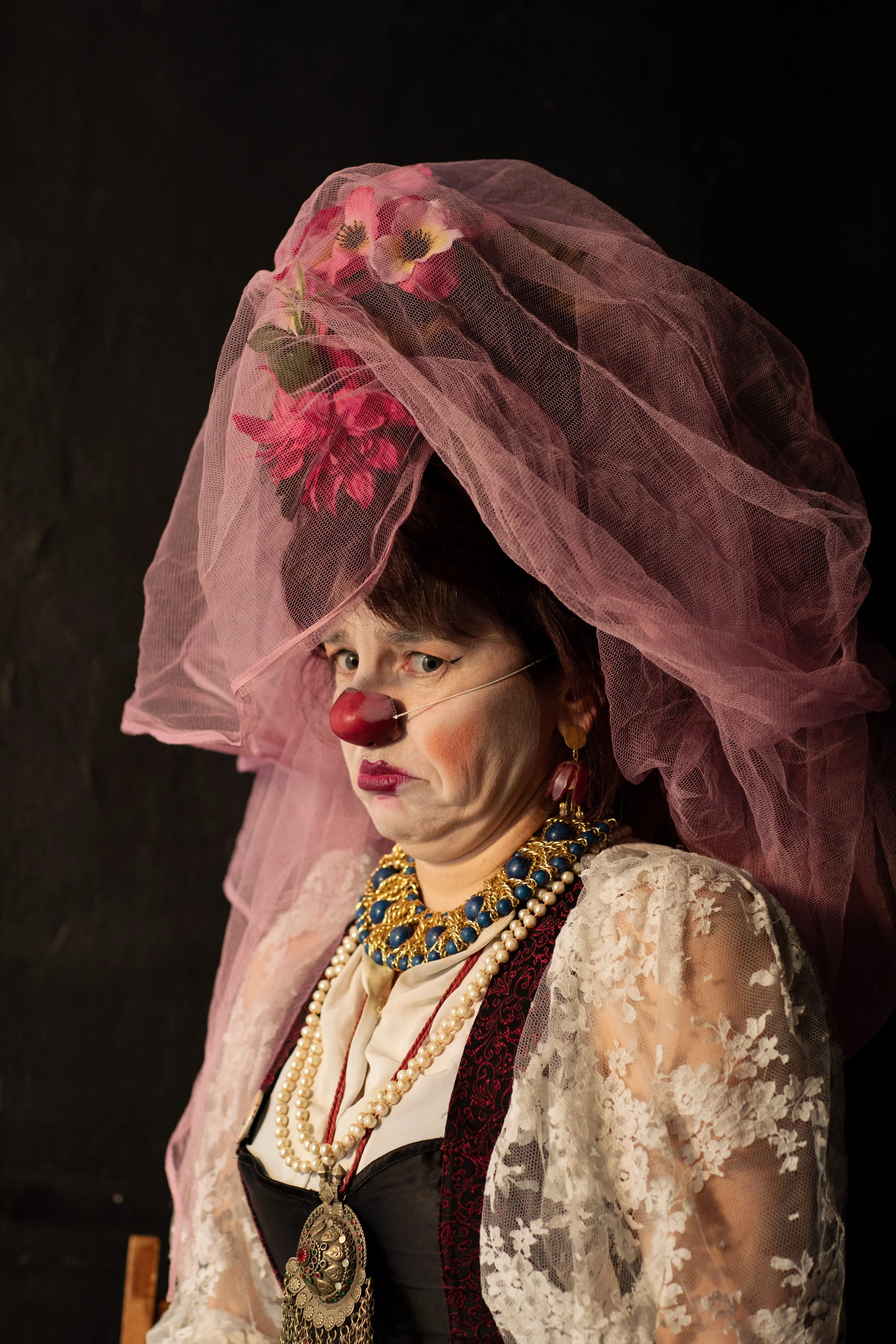
Brigitte Makrel (Lise La Greca)
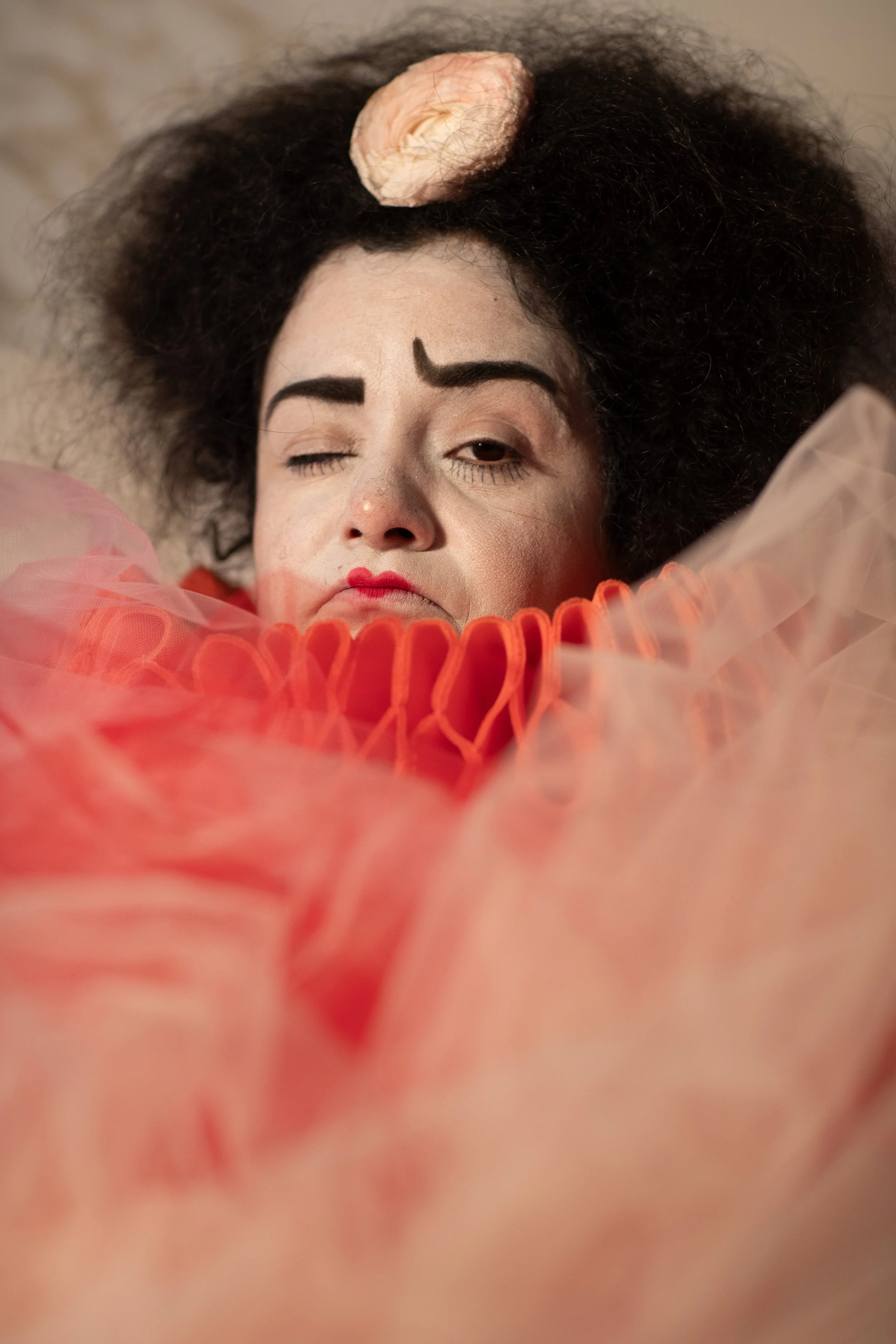
Chula The Clown
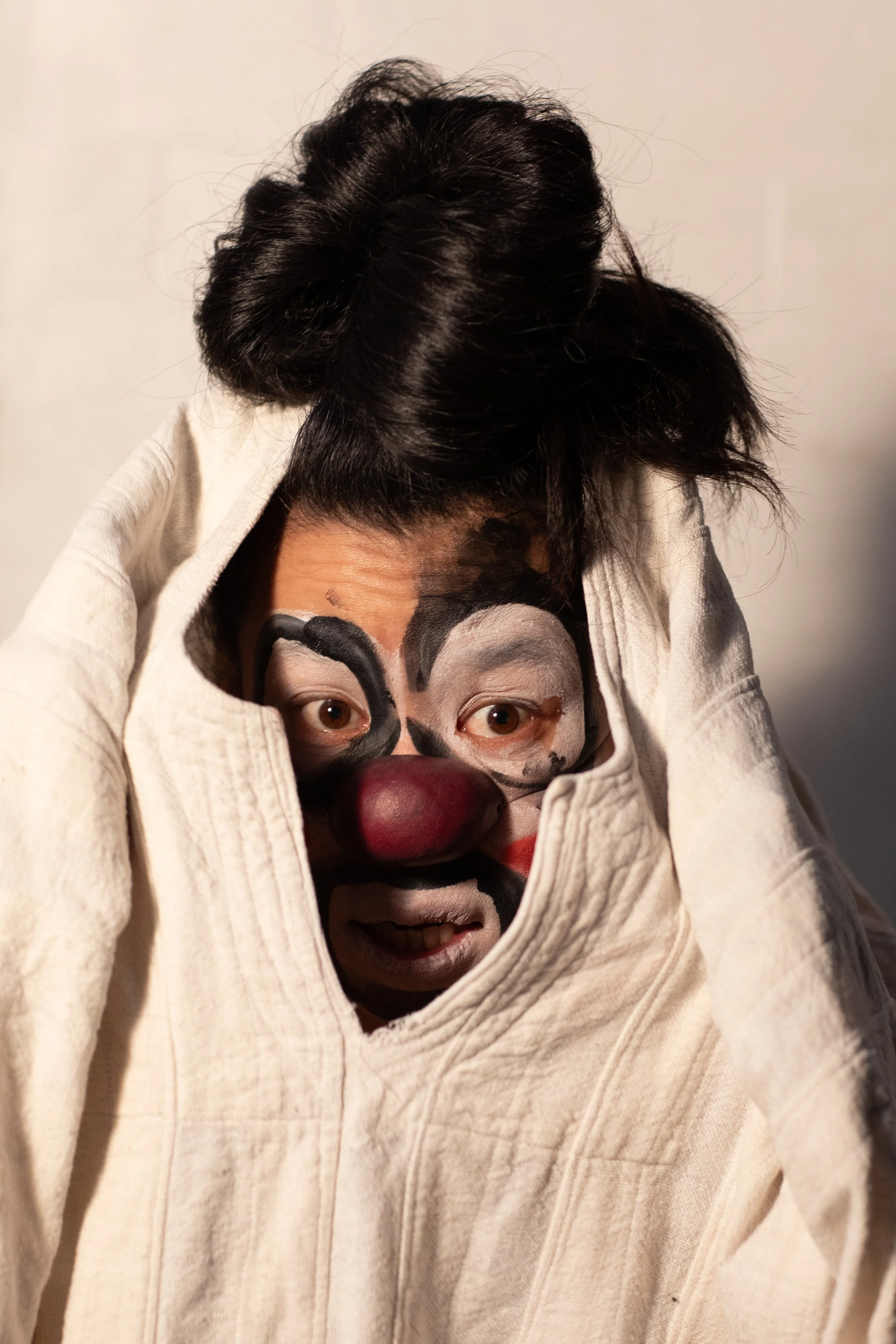
Maly Chhum
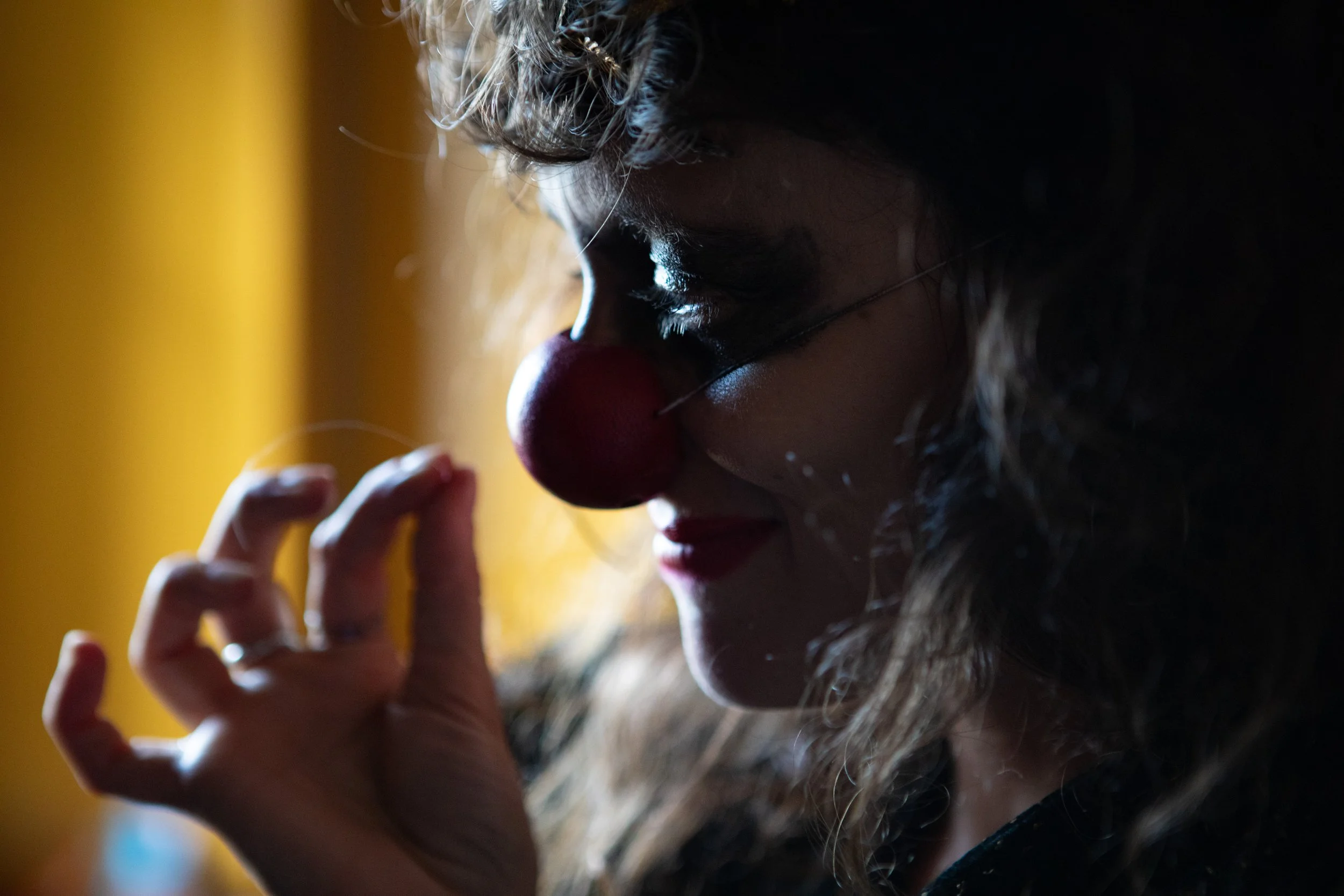
Julie Serrano
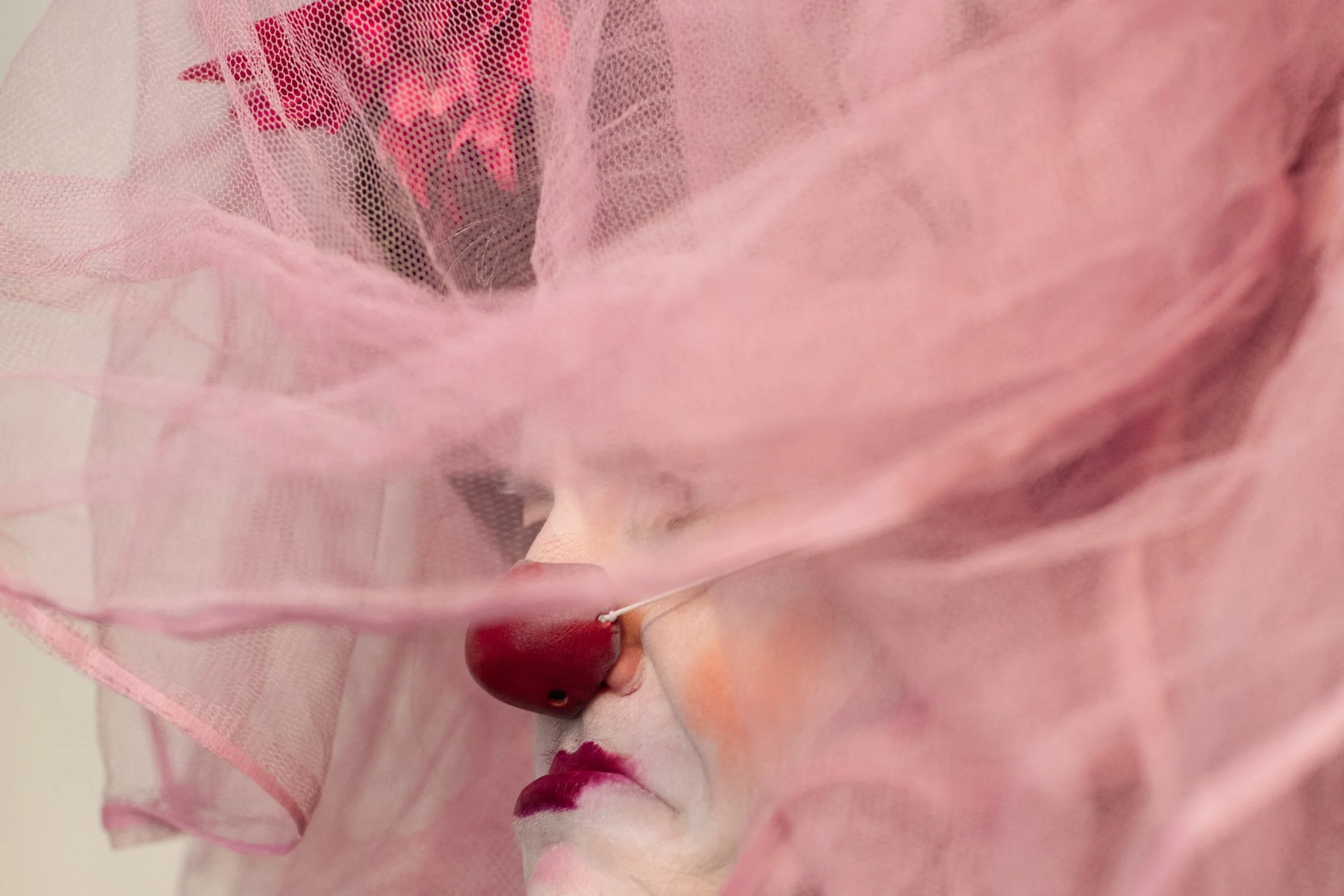
Brigitte Makrel (Lise La Greca)
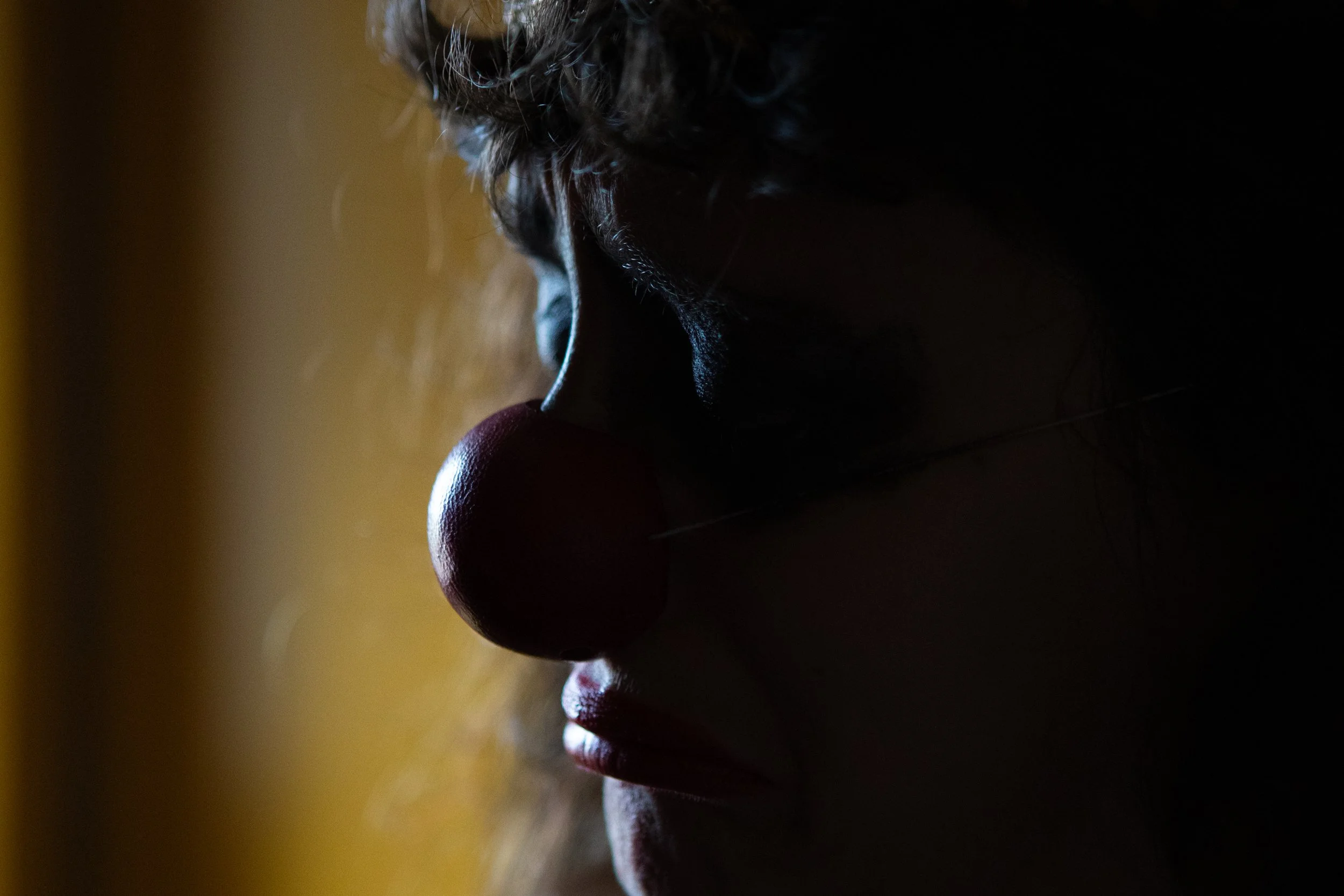
Julie Serrano
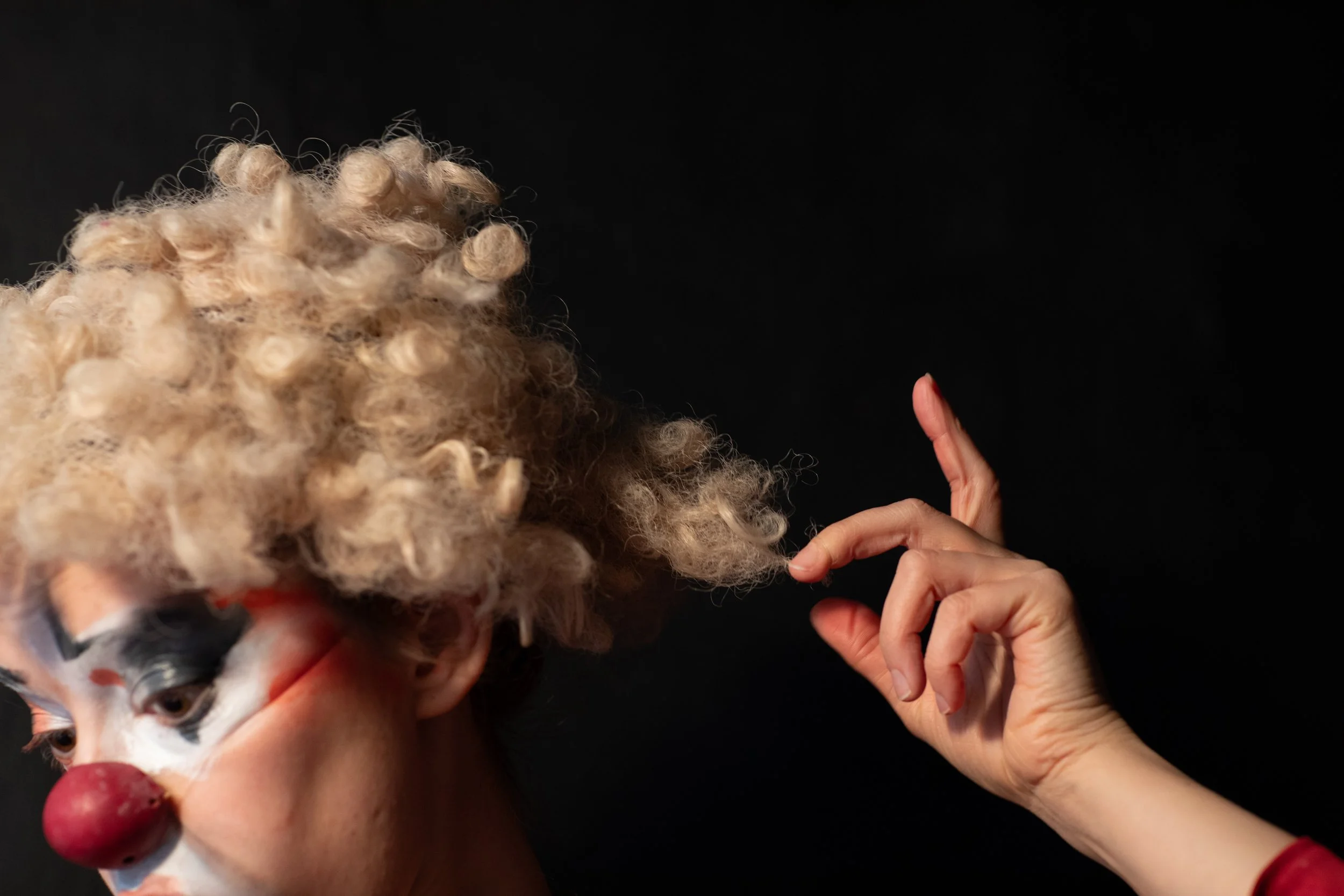
Clara Urio
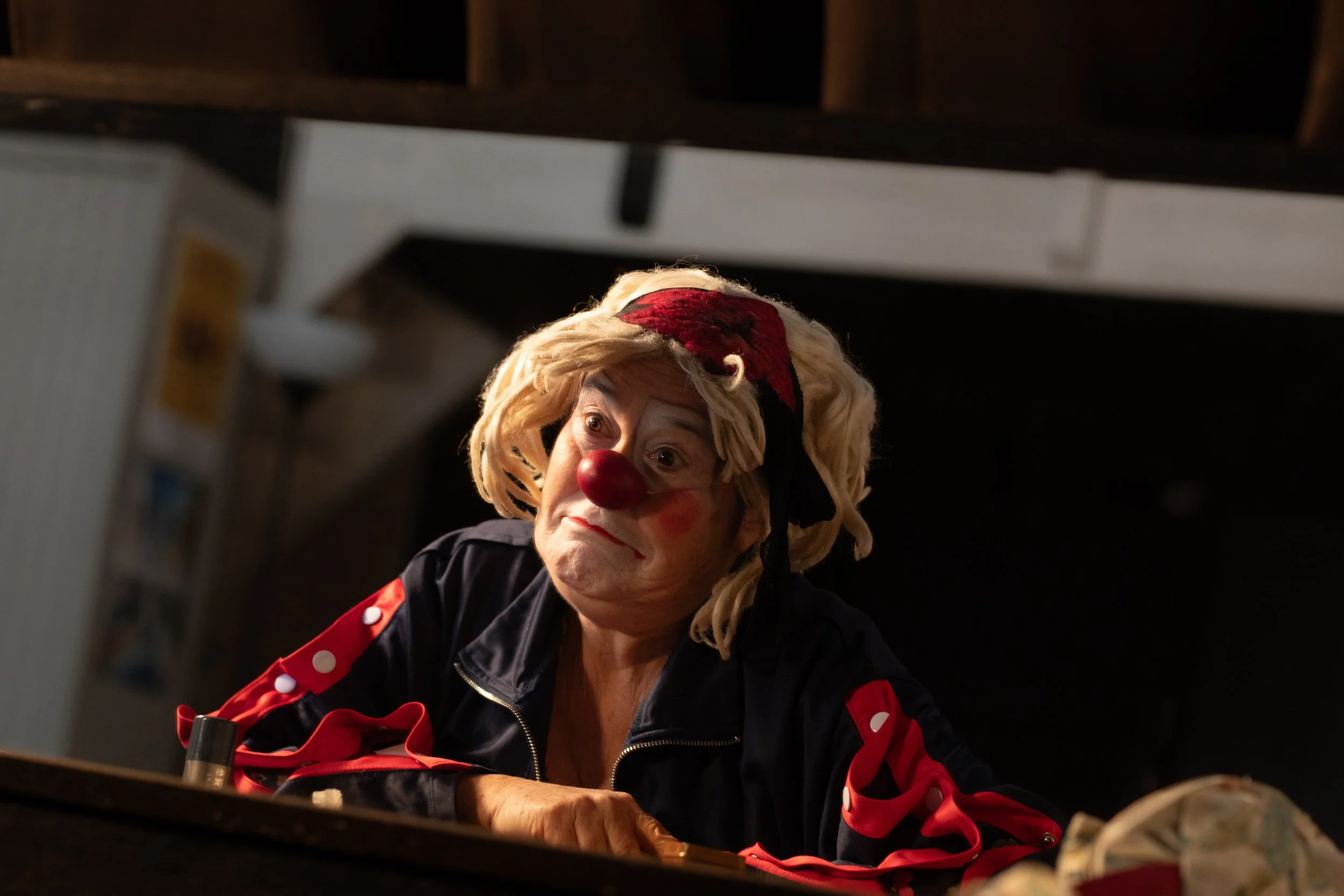
Gustina (Isabelle Bazin)
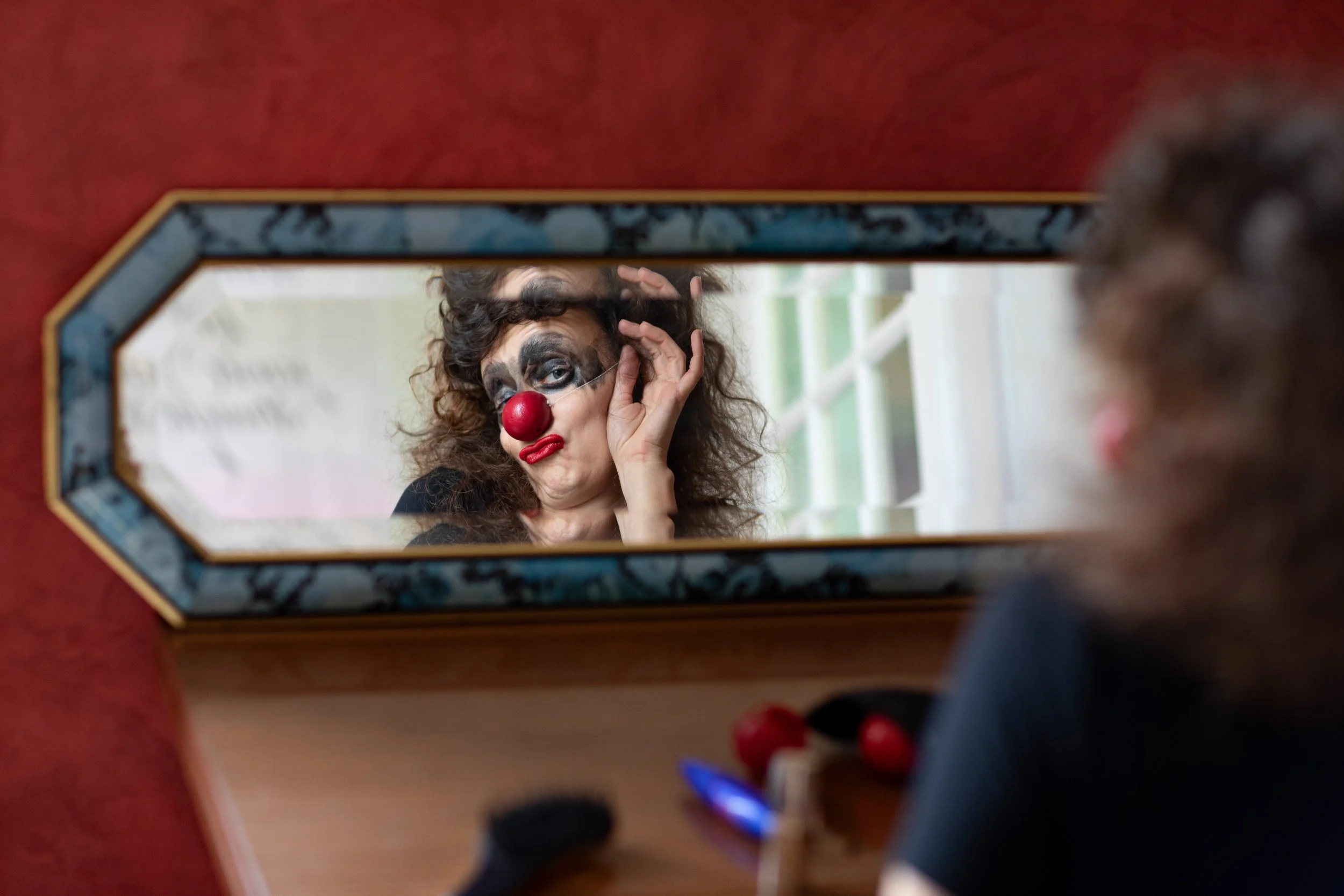
Julie Serrano
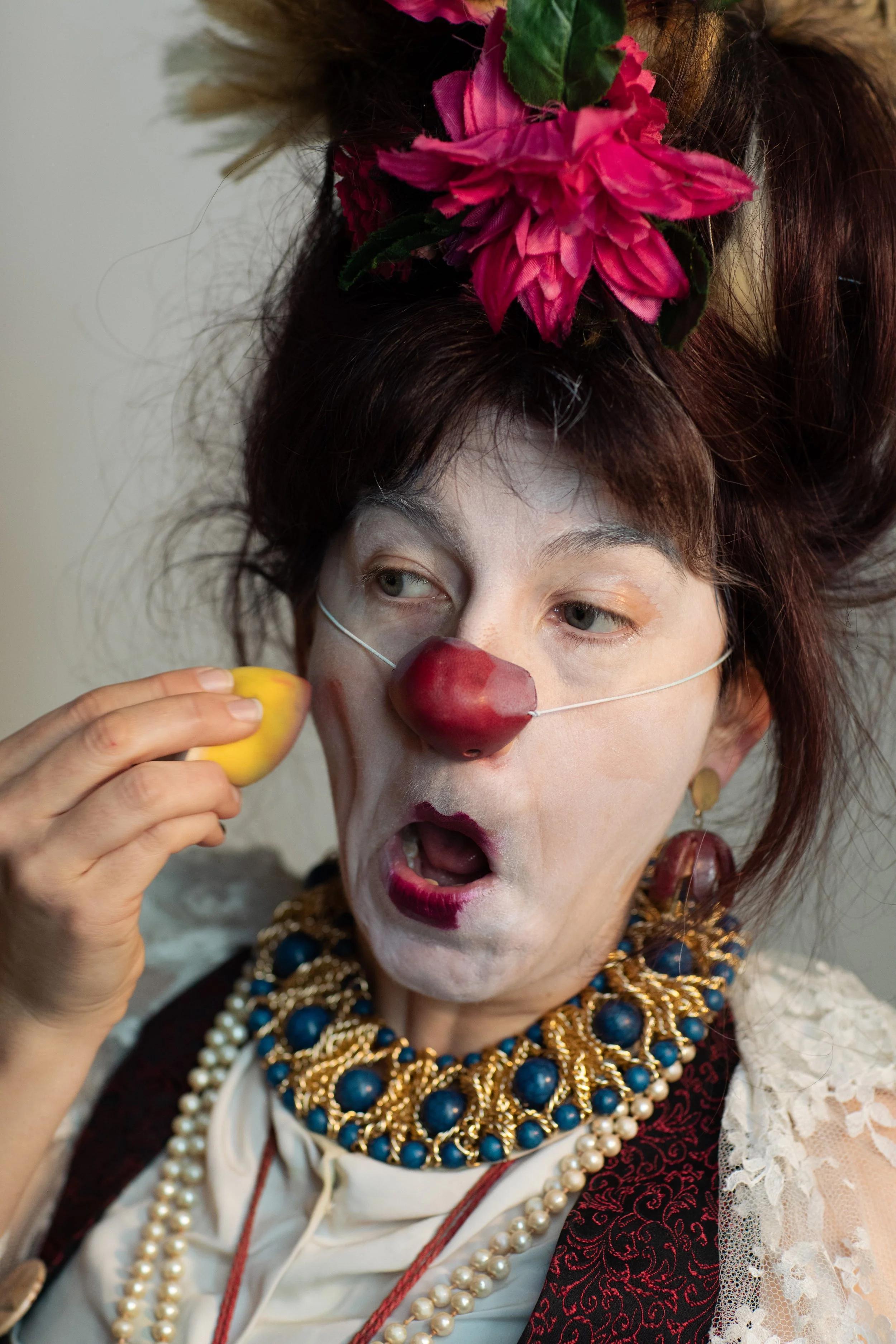
Brigitte Makrel (Lise La Greca)
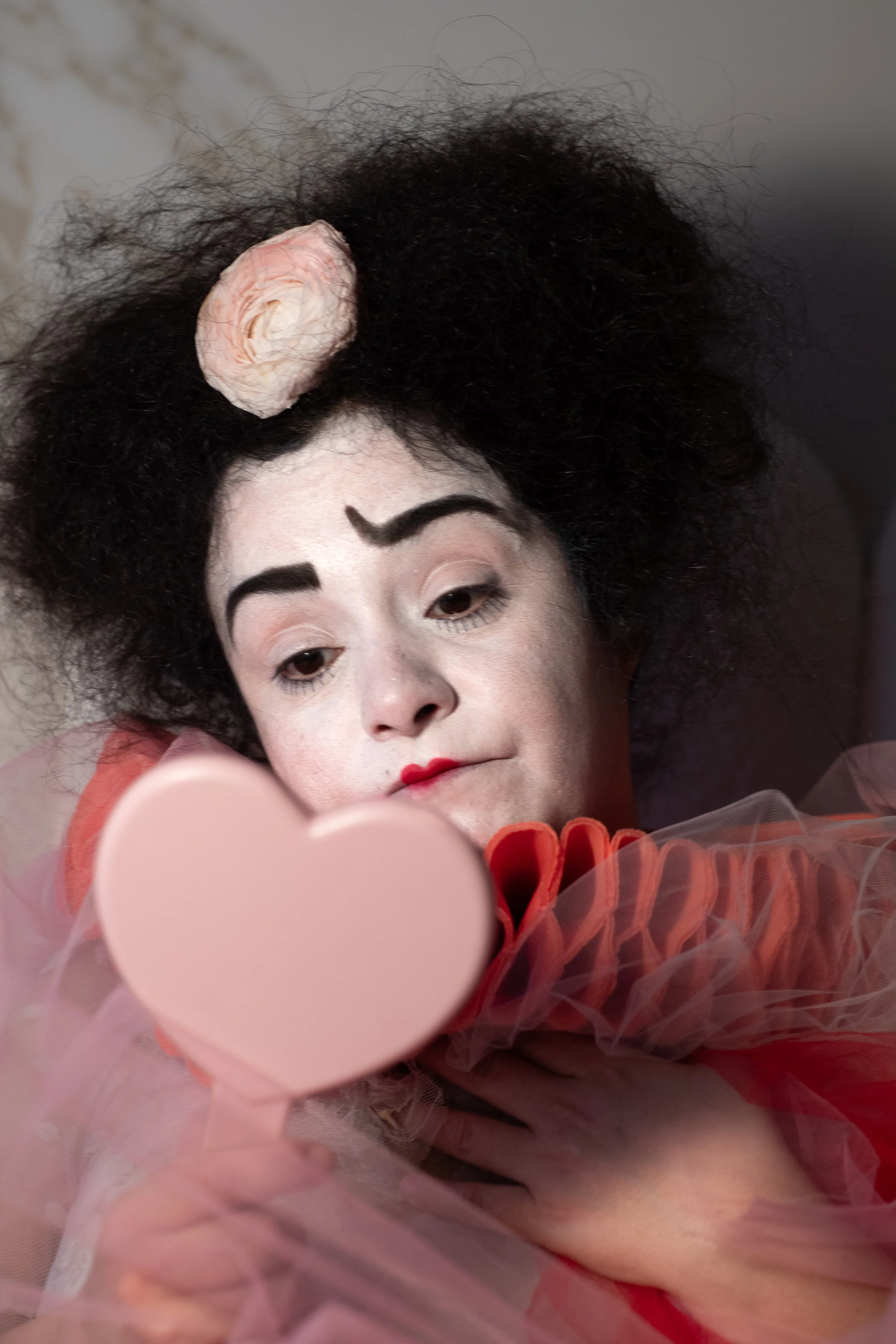
Chula The Clown
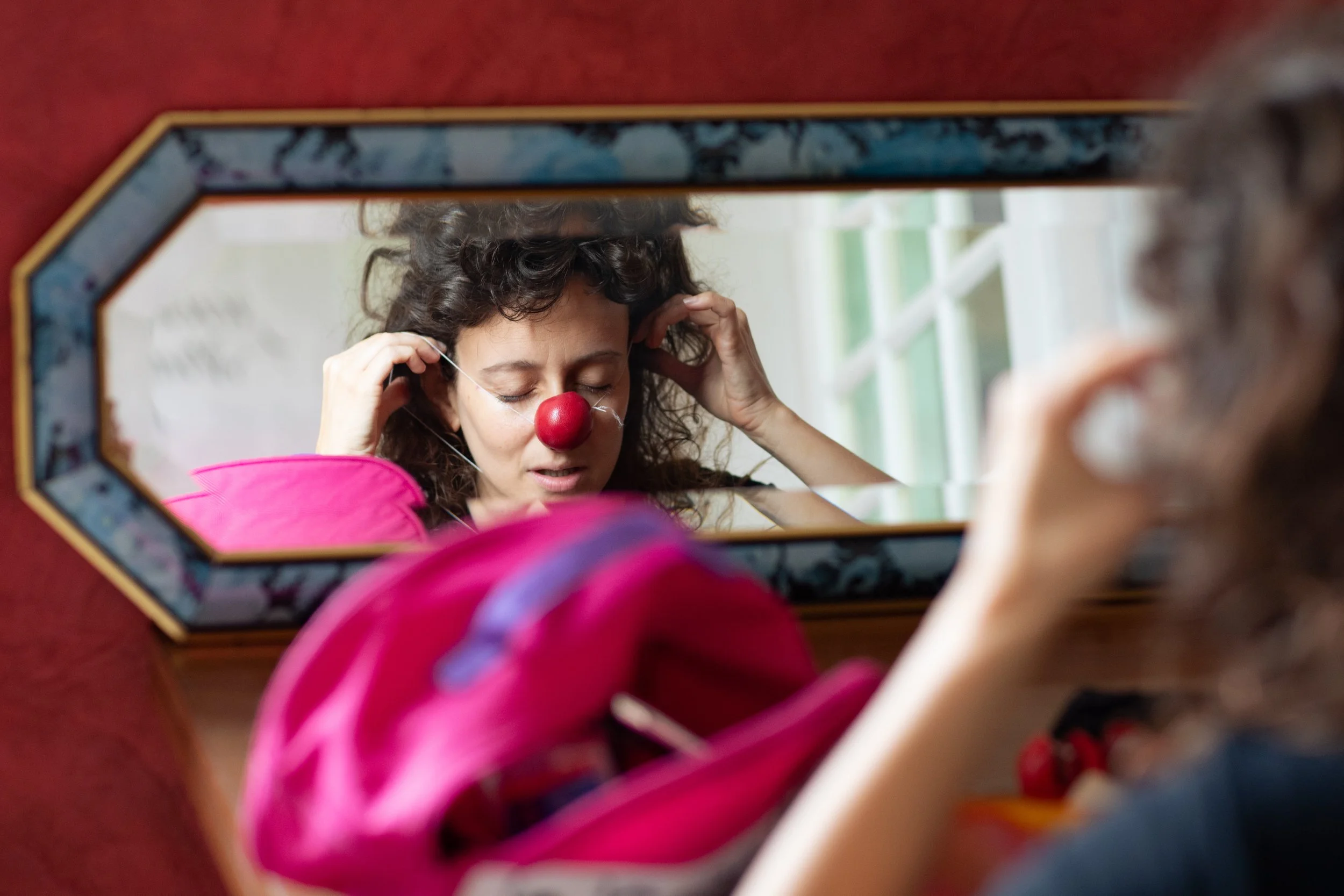
Julie Serrano
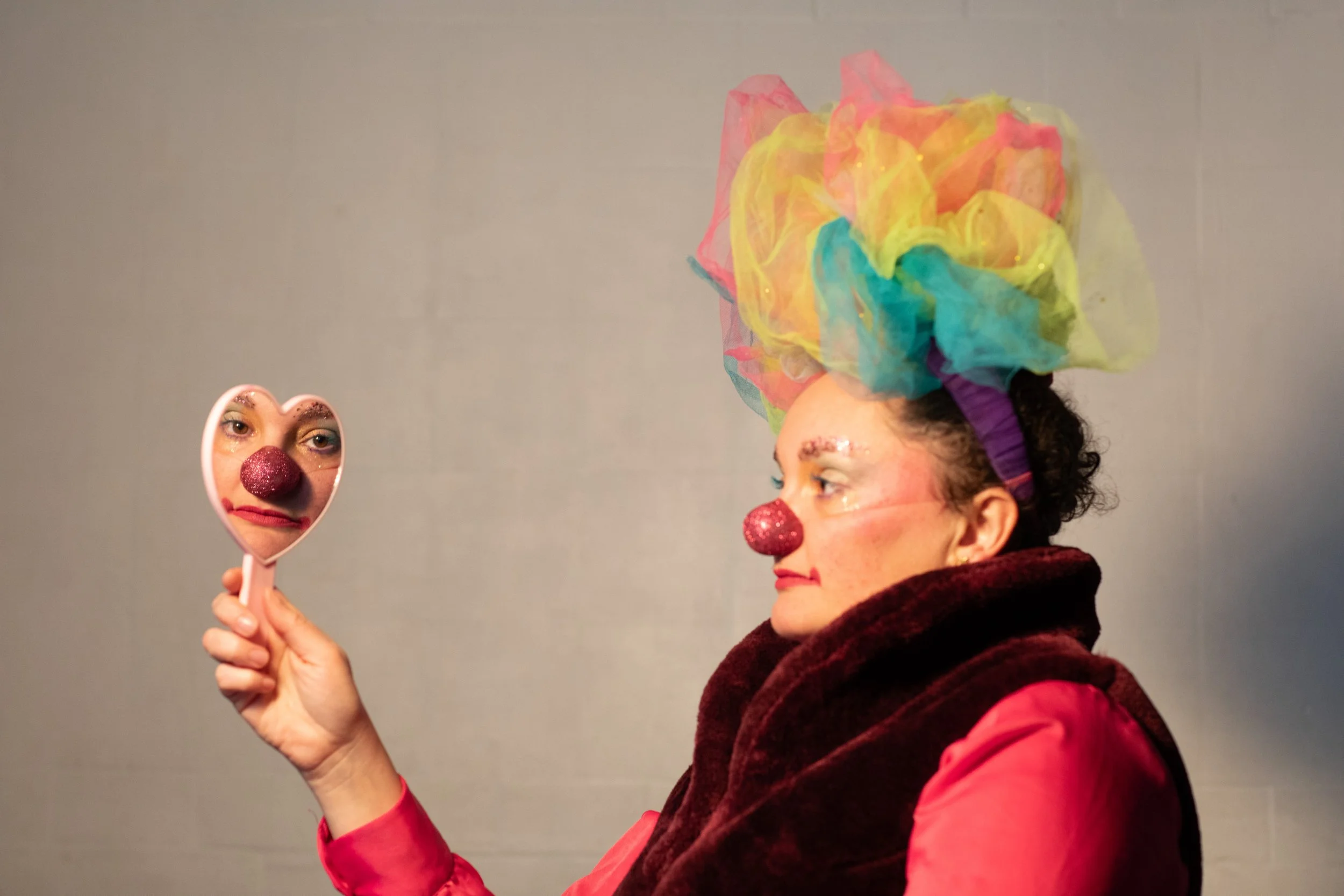
Leonie / Petokass (Olivia Lefebvre)
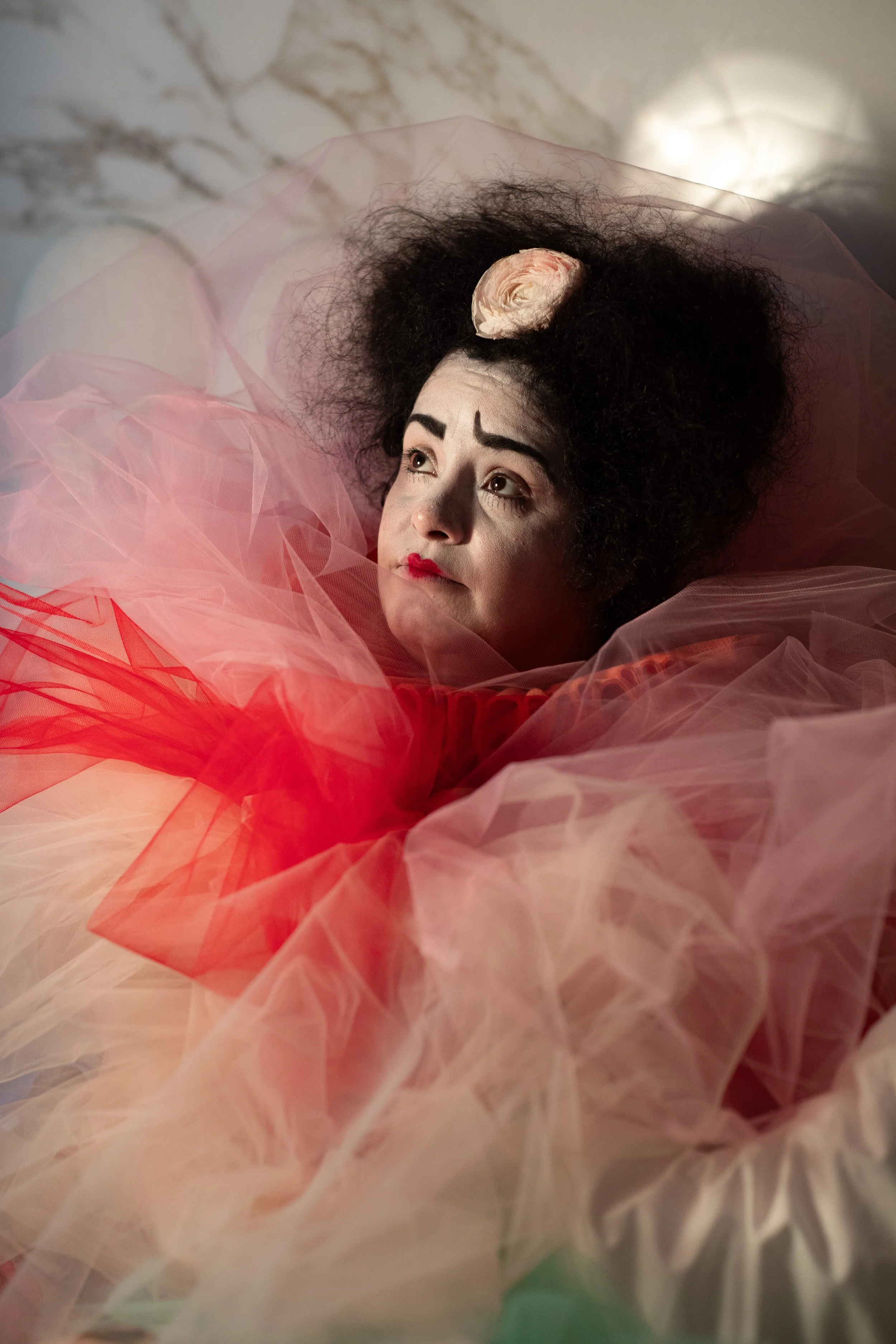
Chula The Clown
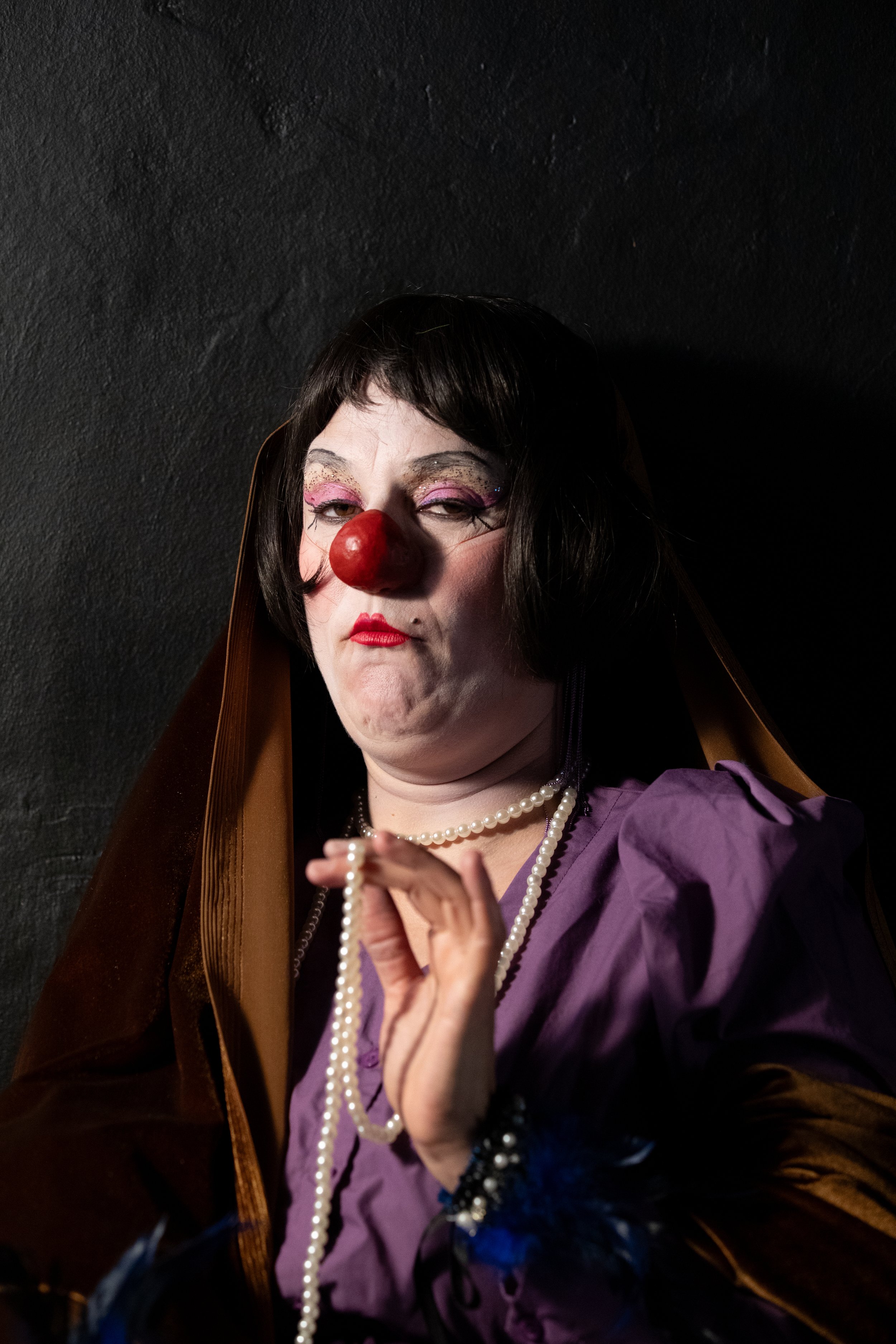
Marcelle (Céline Betton)
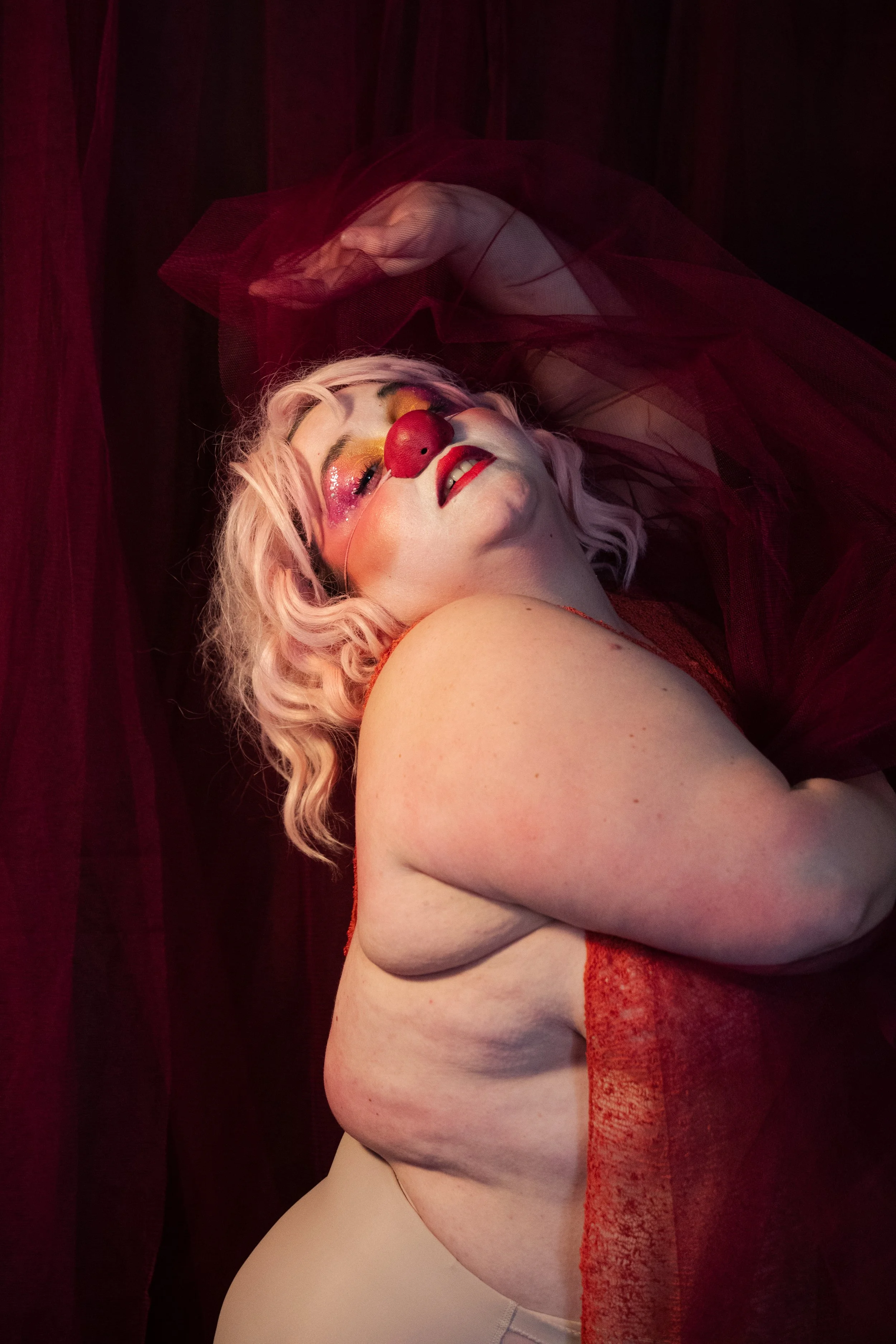
Géraldine (Laurie Le Noac'h)
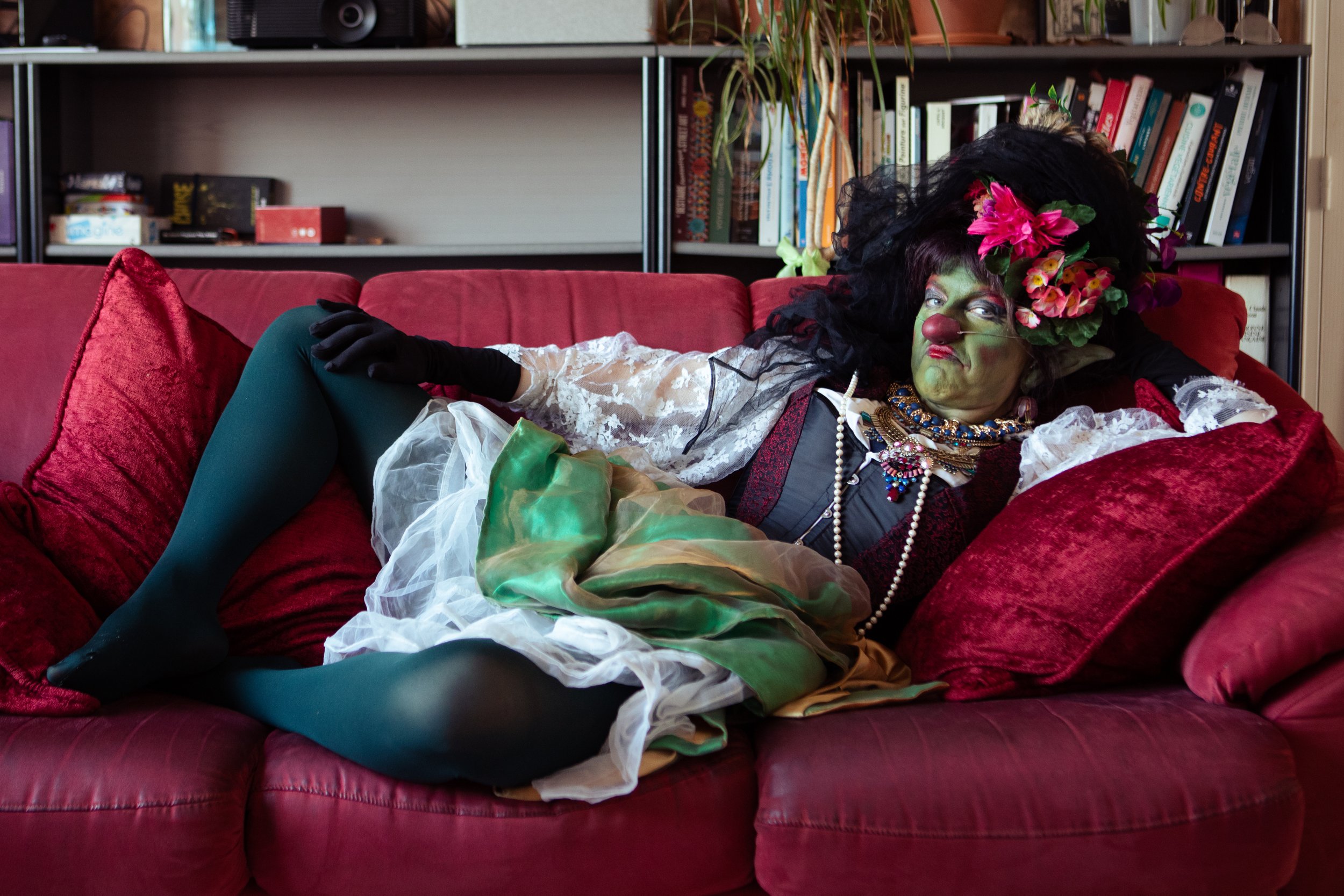
Brigitte verte (Lise La Greca)
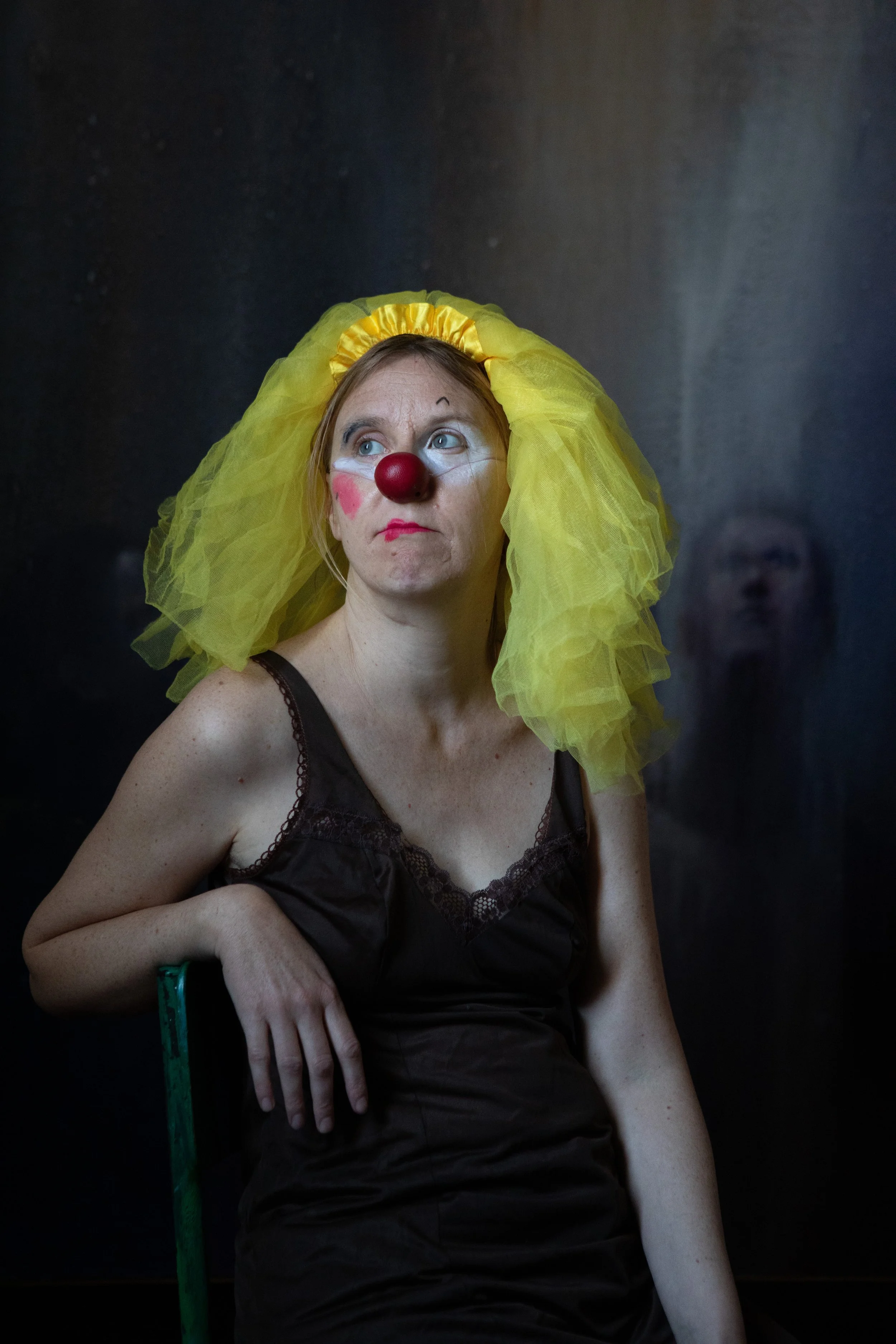
Melissa Streicher (painting by Sourav Chatterjee)
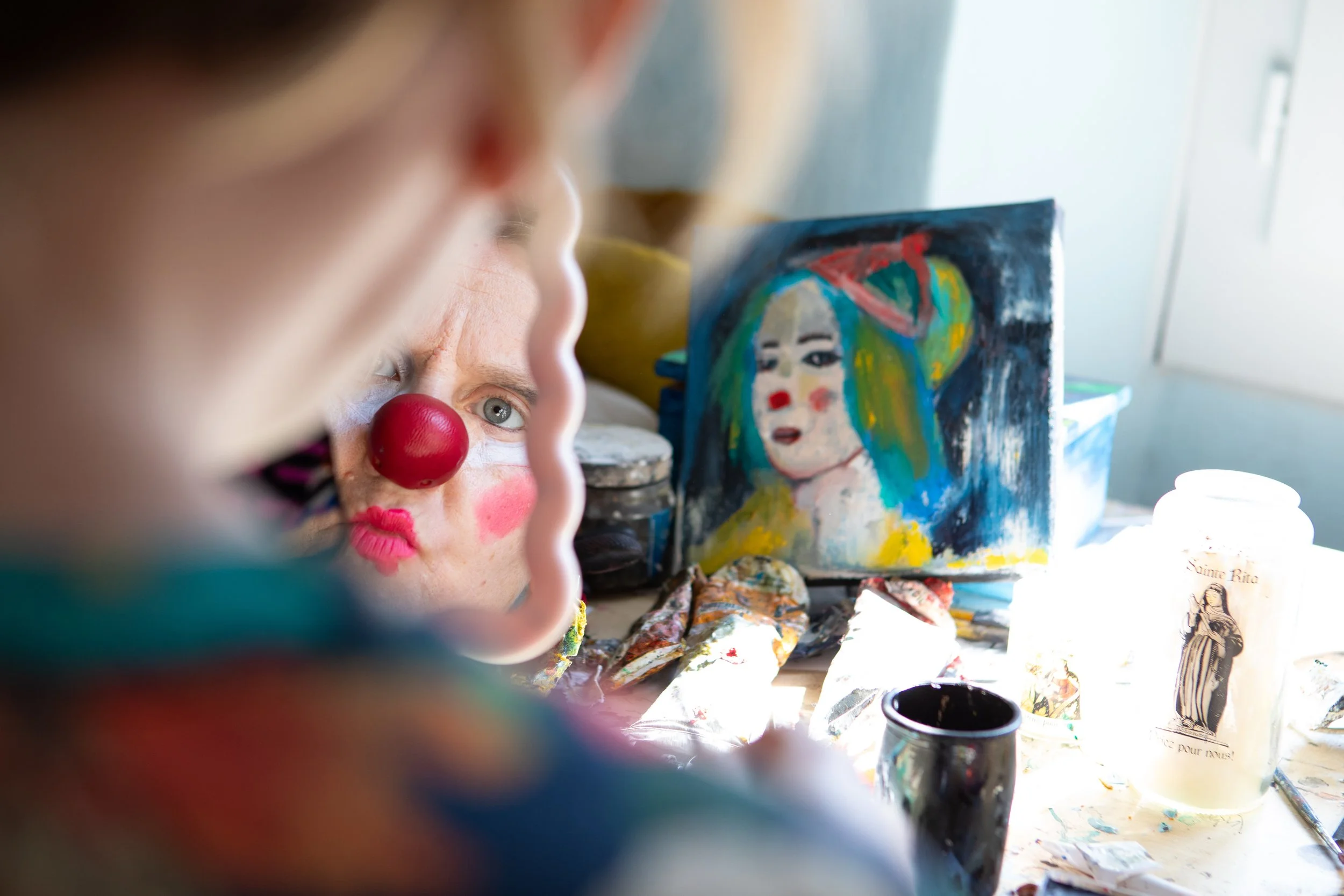
Melissa Streicher (painting by Melissa Streicher)
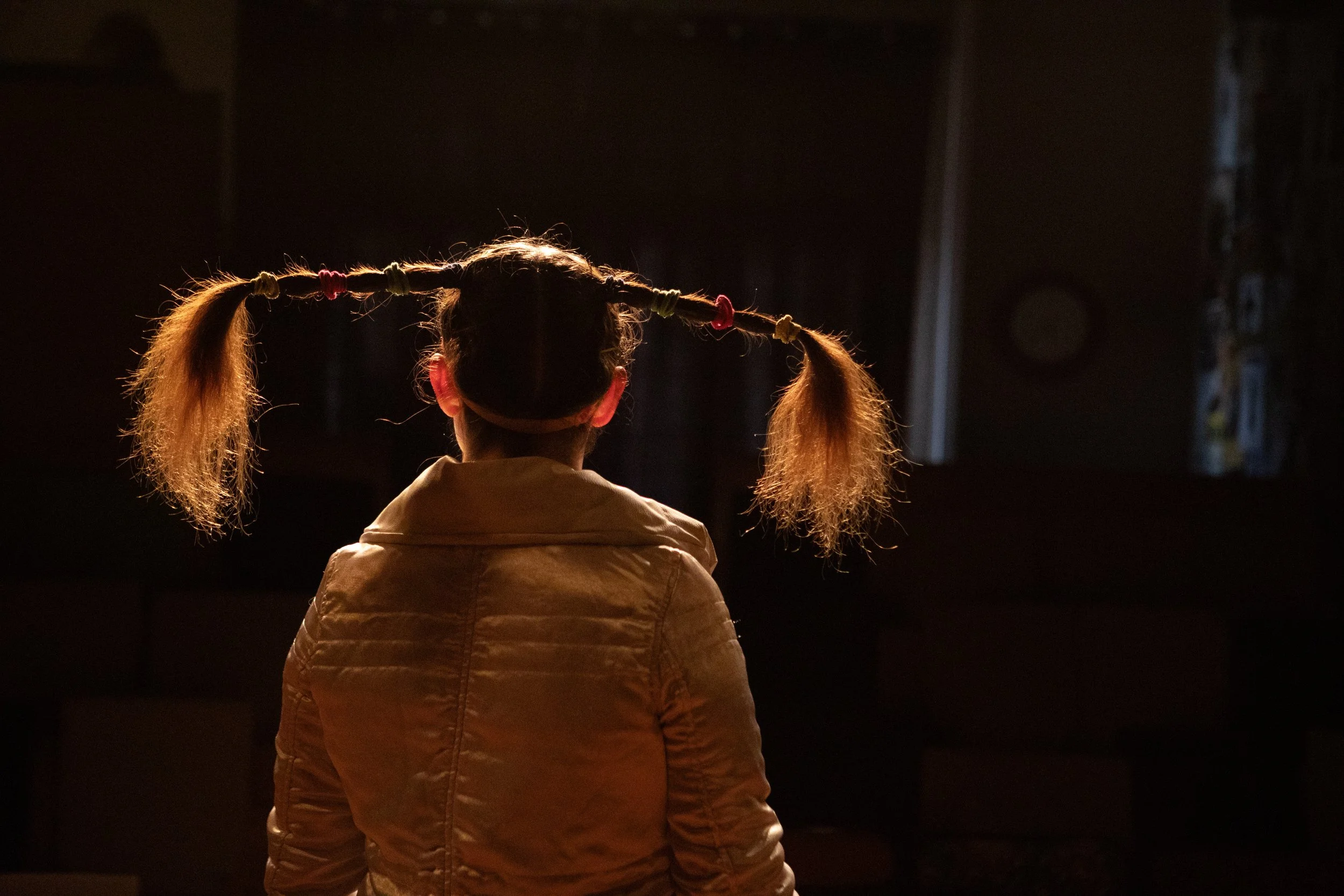
Magalie Tronchet (Zoe)
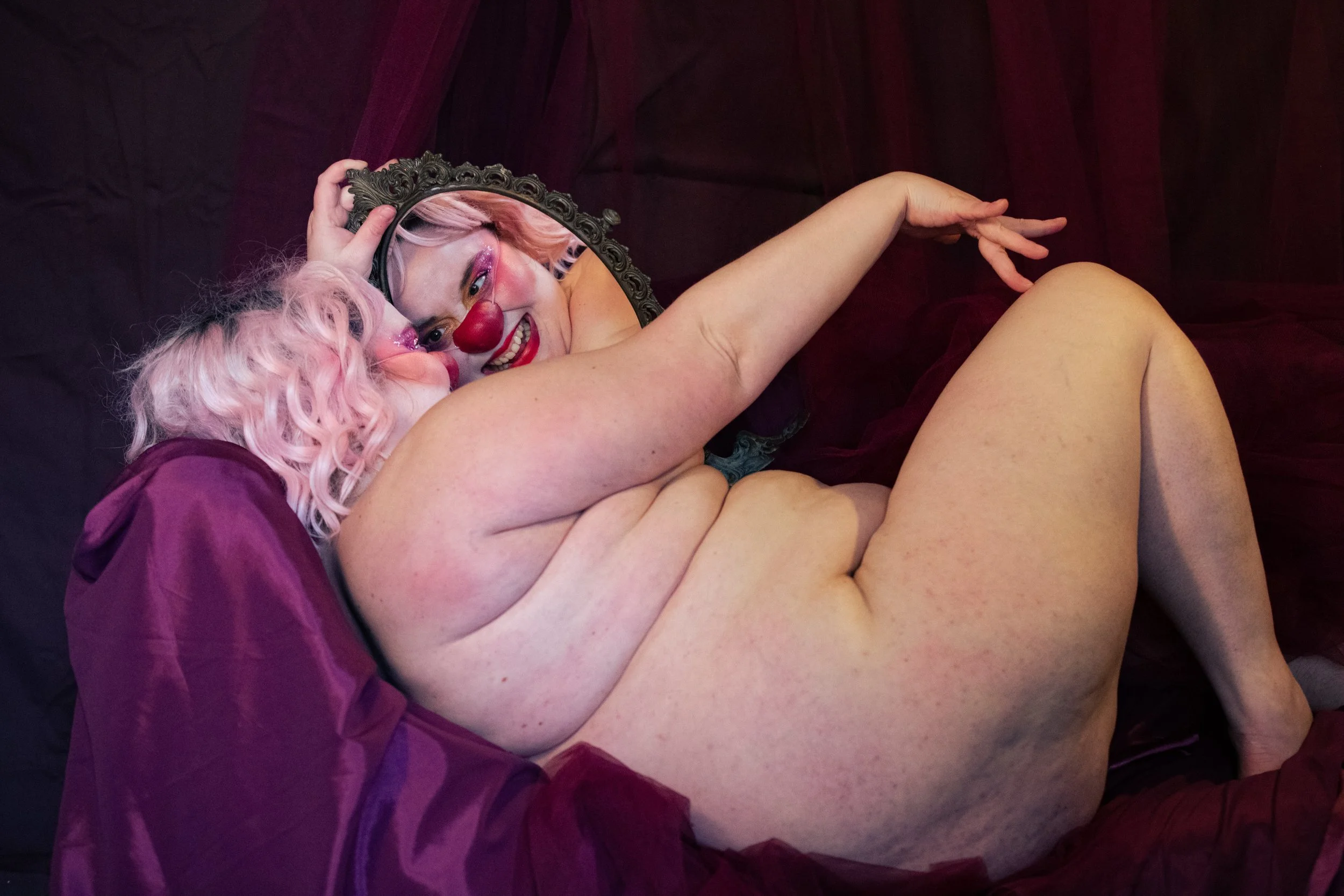
Géraldine (Laurie Le Noac'h)
More about these fantastic clownes on their Instagram profiles:
Chula The Clown (Gabriela Muñoz) @chulatheclown
Clara Urio @claclimu
Maly Chhum @maly.chhum
Brigitte (Lise La Greca) @kwi.dame
Gustina (Isabelle Bazin) @gustina_clowne
Julie Serrano @julie_serrano_act
Olivia Lefebvre @leonie_petokass
Laurie Le Noac’h @laurie.lenoac.h
Melissa Streicher @streichermelissa
Celine Betton @Celine Betton